Bed Bug Treatment Preparation Guide and Pricing for Detroit Homes
Bed bug treatment usually takes two or three visits over several weeks, not one. Prep matters as much as the chemical. This guide walks Detroit homeowners through the process, what to expect at each step, and the cost factors that shape your price.
Calls may be recorded for quality and matching purposes.
Who this guide is for and what you are deciding

You found bugs in the bedroom and maybe roaches in the kitchen too. Now you need a plan. This page is for Detroit homeowners who want to book pest control and understand what happens next.
HomePest Match is an independent guide. We are not a pest company, and we do not send anyone to your door. We help you learn the process so you can request quotes with confidence.
You are really deciding three things:
- What kind of treatment fits your home — chemical, heat, or a mix.
- How much prep you are willing to do before the technician arrives.
- What price range is fair for a home your size.
Bed bugs and roaches often show up together, but they need different treatment. A roach problem in one bedroom is usually easier than bed bugs in a mattress. Knowing the difference helps you ask better questions. When you call a provider, you start the conversation — they do not call you first. Some lines record calls for quality, and you will hear that notice when you dial.
What Detroit homeowners misunderstand about the process
This is the biggest gap we hear. Most people expect one spray to end it. Bed bug treatment does not work that way.
It takes multiple visits
Bed bug eggs resist most chemicals. Eggs hatch days after the first treatment. That is why a good plan uses two or three visits, spaced about two weeks apart. The follow-up visits kill the newly hatched bugs before they breed again.
Prep is part of the treatment
The chemical only works if the technician can reach the bugs. That means you clear clutter, wash and dry-heat your bedding, and pull furniture from the walls. Skipping prep is the top reason treatment fails.
Heat versus chemical
Some Detroit providers offer heat treatment. They raise a room to about 120–135°F to kill bugs and eggs in one day. The University of Kentucky Extension notes heat can reach hidden spots chemicals miss. Heat costs more but often needs fewer visits.
Bed bugs are not a cleanliness problem
The CDC states bed bugs are not linked to dirty homes. They hitchhike on luggage, used furniture, and clothing. A spotless home can still get them.
Signs you are dealing with bed bugs, not just roaches
Getting the ID right saves money. Bed bugs and roaches leave different clues and need different treatment.
Bed bug signs
- Bites in a line or cluster on skin exposed while you sleep — arms, shoulders, legs.
- Small blood spots on sheets, from bugs crushed in your sleep.
- Dark, rusty specks along mattress seams and box springs. This is bug waste.
- Tiny pale eggs or shed skins in seams, headboards, and cracks.
- A sweet, musty smell in a heavy infestation.
Roach signs
- Pepper-like droppings in kitchen drawers and under the sink.
- A greasy smell near appliances.
- Live bugs scattering when you flip on a light at night.
If you see bugs in the mattress and bugs in the kitchen, you likely have two separate problems. Tell the provider about both when you request a quote. Many plans can cover roaches while a separate bed bug service handles the bedroom. Our bed bug severity guide can help you gauge how far it has spread.
What actually works, and when DIY falls short
Store sprays can knock down a few visible bugs. They rarely reach eggs and hidden bugs, so the problem returns.
What professionals do
- Inspection. The technician checks mattresses, seams, baseboards, and outlets to find every zone.
- Targeted chemical treatment. They apply products to cracks, seams, and furniture joints.
- Heat, when offered. A whole-room heat treatment can finish in one day.
- Follow-up visits. They return to catch the next generation.
Why DIY usually fails
Bed bugs breed fast and hide in places you cannot see. Miss one pocket of eggs and the problem restarts. The EPA warns against overusing foggers and off-label products, which can spread bugs and create safety risks.
Your prep checklist
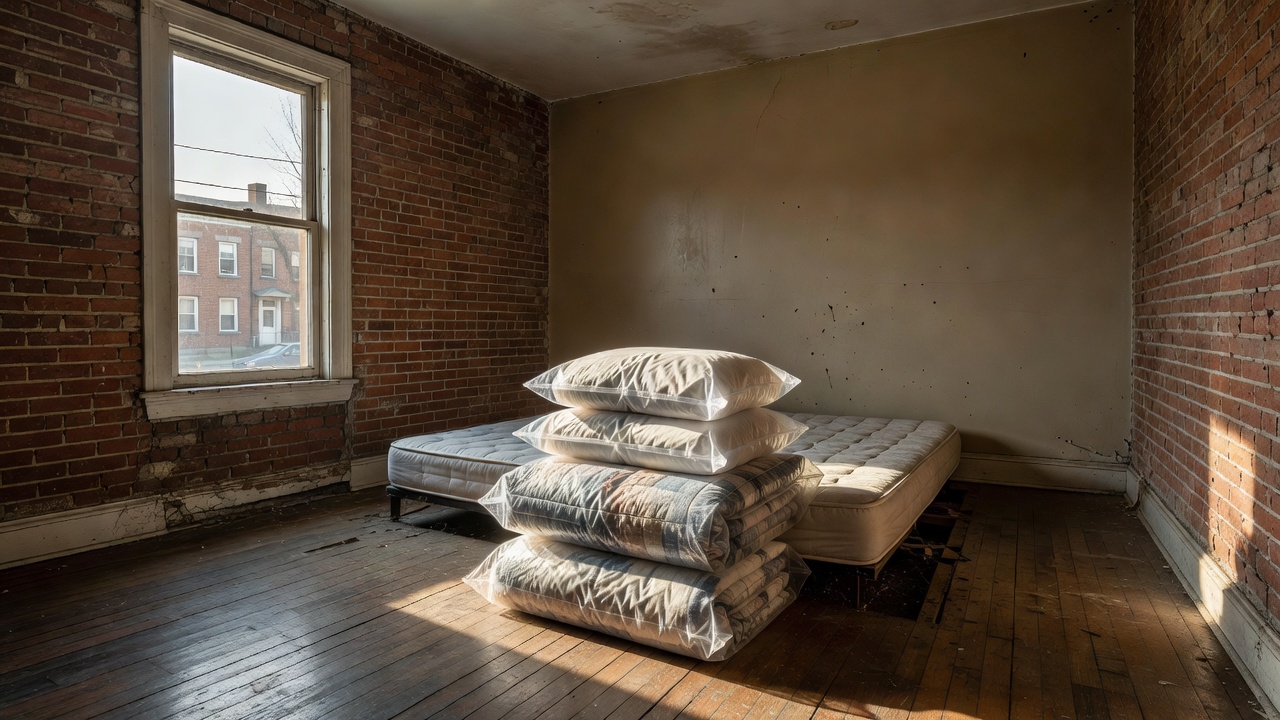
- Wash bedding and clothes, then dry on high heat.
- Bag clean items in sealed plastic.
- Vacuum floors, mattress seams, and cracks, then throw the bag out.
- Pull beds and furniture a few inches from walls.
- Remove clutter so every surface is reachable.
Good prep can be the difference between one round of treatment and three.
What to ask when you request quotes
When you call a provider, you lead the conversation. Have your ZIP code and a short problem description ready. Say something like: bed bugs in the bedroom, roaches in the kitchen, single-family home.
Questions that protect you
- How many visits are included in the price? Bed bug work needs follow-ups.
- Is it chemical, heat, or both? Ask which fits your home.
- What prep do you require from me? Get the list in writing.
- Is there a guarantee? Ask what triggers a free re-treatment and how long it lasts.
- Can you treat roaches at the same time? Or is that a separate plan?
- Is the quote per room or whole home? Bed bug pricing often works by room.
Ask whether the price is a flat bed bug package or a recurring plan. Bed bugs usually use a one-time package with follow-ups. Roaches often fit a recurring plan. Our guide on service plans and pricing explains how those structures differ. Get every promise in writing before you agree.
Local notes for Detroit homeowners
Detroit's older housing stock and shared walls matter for bed bugs. In duplexes, flats, and apartment buildings, bugs move between units through wall voids and outlets. If you live in a multi-unit building, tell your provider and, if you rent, notify your landlord early.
Michigan winters do not kill them
Cold outdoor air does not reach bugs living inside your warm walls. Bed bugs stay active all year in heated Detroit homes. Do not wait for winter to solve it.
Roaches share the same shelter
Cockroaches also stay indoors through Michigan winters, hiding near warm appliances. That is why you may face both pests at once. Treating one does not fix the other.
Used furniture caution
Secondhand furniture is a common source. Inspect any used mattress, couch, or dresser closely before you bring it inside. Check seams and joints for the rusty specks described earlier.
If you want to compare recurring plans for roaches and other pests, see our Detroit service plan and pricing guide. It covers how quarterly and monthly visits are priced in your area.
Cost factors that shape your price
We do not quote fixed prices, because your number depends on your home. Instead, know the factors that move it up or down.
What raises the price
- Number of rooms affected. Bed bug work is often priced per room, so more rooms cost more.
- Severity. A heavy infestation needs more visits and product.
- Heat versus chemical. Heat treatment usually costs more per visit but may need fewer trips.
- Home size and clutter. More square footage and clutter mean more labor.
- Multi-unit buildings. Shared walls can require broader treatment.
How to think about it
Bed bugs usually come as a flat package that bundles the inspection, initial treatment, and follow-ups. Roaches often fold into a recurring plan with a higher startup visit and lower recurring charges. Ask each provider to break the number into startup, follow-ups, and any recurring fee.
Get at least two or three written quotes so you can compare like for like. When you are ready, you can request quotes and start the conversation on your terms. You always make the first call — providers do not cold-call you.
Common questions
How many treatments do bed bugs usually need?
Most chemical plans use two or three visits over several weeks. Follow-ups kill bugs that hatch from eggs after the first visit. Heat treatment can sometimes finish in one day but often costs more.
How should I prepare my bedroom before treatment?
Wash and dry bedding on high heat, then seal it in bags. Vacuum mattress seams and cracks, and pull furniture away from the walls. Clear clutter so the technician can reach every surface.
Can one company treat bed bugs and roaches at the same time?
Often yes, but they are usually different services. Bed bugs typically use a flat package with follow-ups, while roaches fit a recurring plan. Mention both problems when you request a quote.
Do I need to throw out my mattress?
Not always. Many treatments save the mattress using targeted products or heat, sometimes with a protective encasement. Ask your provider before discarding furniture, since bugs can spread as you move it.
Why is bed bug treatment priced by room?
Bed bugs concentrate where people sleep and rest. Pricing by room reflects the labor and product needed for each infested space. More affected rooms means a higher total.
Does cold Detroit weather kill bed bugs?
No. Bed bugs live inside warm, heated homes and stay active all winter. Outdoor cold does not reach them, so you should not wait for a season change to treat.
Related: bed bug severity guide · Detroit service plan and pricing guide · service plans and pricing · request quotes