Pest Control Coverage Limits on Large Florida Properties
Most standard pest control plans cover only the home and about one acre around it. If you own more land, the rest needs a separate spot-treatment arrangement. That gap is why water bugs and mice keep coming back on bigger lots.
Calls may be recorded for quality and matching purposes.
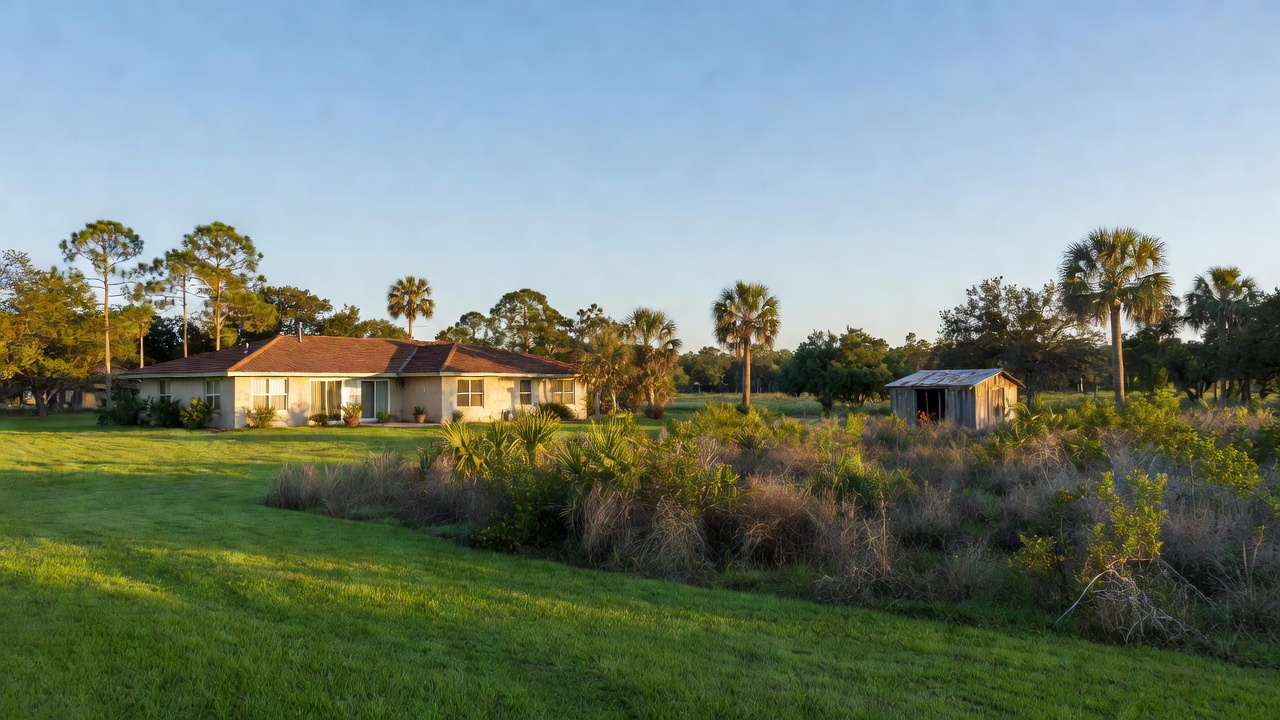
Who this guide is for
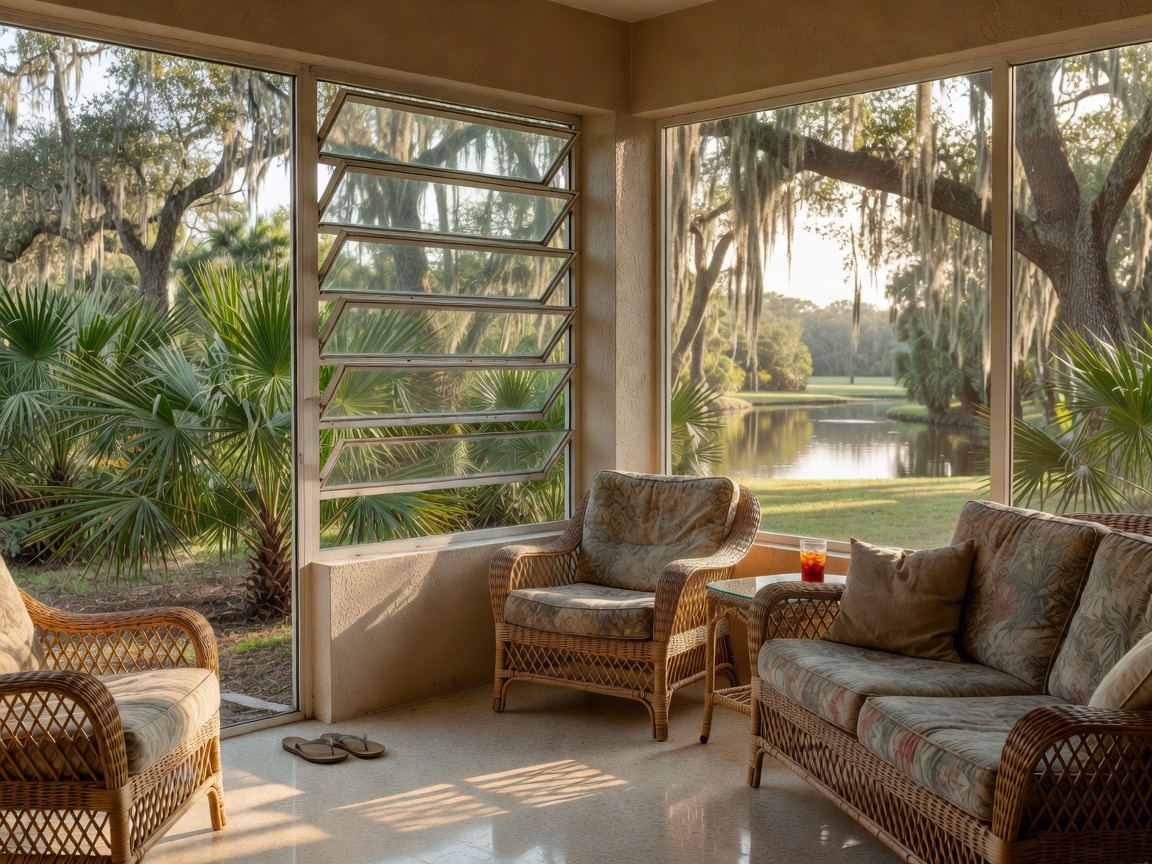
This guide is for Florida homeowners on larger lots, roughly two acres or more. Maybe you keep seeing large roaches at night. People here often call them water bugs. Maybe mice keep showing up in a closet, even after weeks of sticky traps.
You are trying to decide one thing: how to get real help for the whole property, not just the house. That decision matters because standard pest plans have limits many owners never hear about.
You likely feel stuck because:
- Sticky traps catch a few pests but never end the problem.
- The activity has lasted two to three months and is not slowing down.
- You are not sure if one visit or a recurring plan makes sense.
HomePest Match is an independent guide. We do not treat homes. We help you understand your options and connect you with Florida providers when you are ready. You always start the contact. This page explains coverage limits first, then shows what to ask so your quotes actually match your land.
The coverage limit most owners never hear about
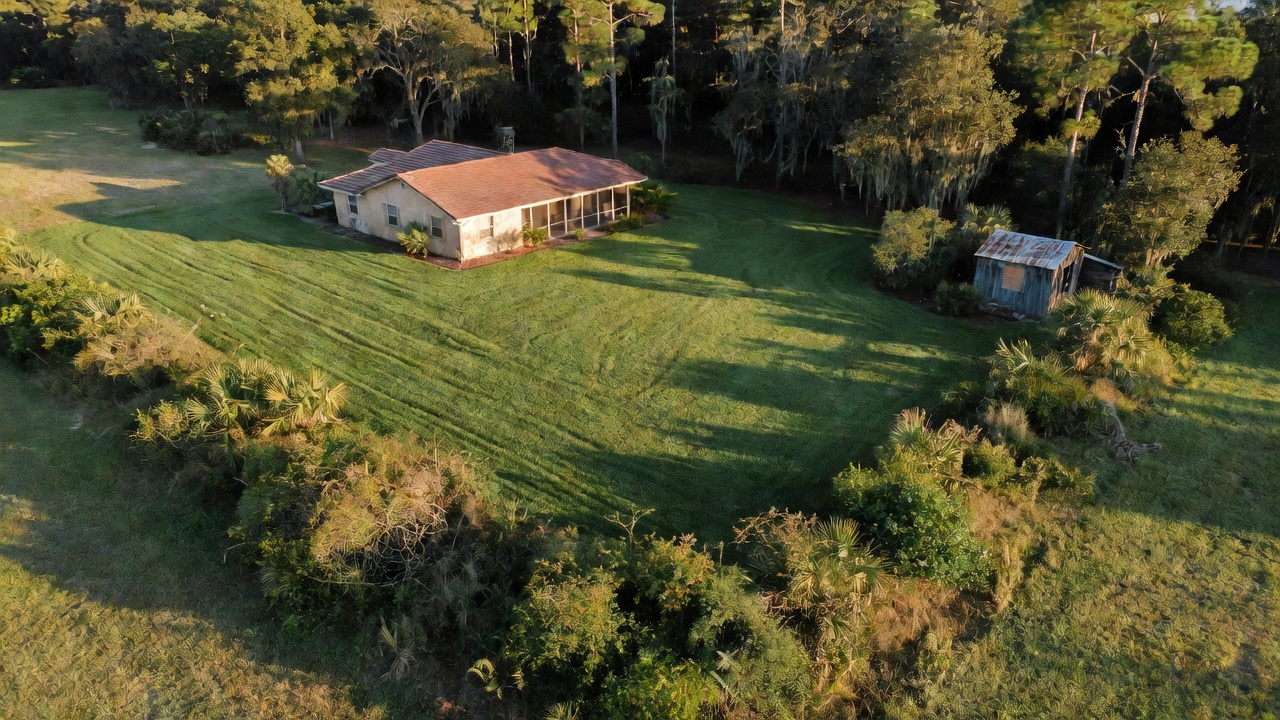
Here is the gap that surprises most people on acreage. A standard residential pest plan usually covers the house plus about one acre around it. Land beyond that first acre is often treated as an add-on, not part of the base price.
So if you own 2.5 acres, a normal quarterly plan may protect only the home and a ring of yard near it. The back fields, tree lines, sheds, and fence rows sit outside that zone. Pests breed and hide out there, then walk right back to your house.
This explains a frustrating pattern. The technician treats the home. Things improve for a few weeks. Then water bugs and mice return, because the source was never in the covered area.
What this means for you:
- Ask exactly how much land the base plan covers. Get the number.
- Land past that limit usually needs a separate spot treatment.
- Spot treatments target problem zones like woodpiles, barns, drainage ditches, and outbuildings.
Coverage is measured by area, not just by "the property." Two homes on the same street can need very different plans if one sits on a quarter acre and the other on three acres. Knowing this before you call keeps quotes honest and comparable.
Signs your problem is bigger than the house
On large Florida lots, certain signs point to activity spreading from the yard, not just inside walls. Learn to read them.
Water bugs (large roaches):
- You see them at night, near sinks, garages, or drains.
- They appear after rain, since flooding pushes them indoors.
- They often live outside in mulch, leaf piles, and sewer lines, then wander in.
Mice:
- Droppings in closets, pantries, or drawers, small and dark like rice.
- Chew marks on food boxes, wires, or baseboards.
- A musky smell in a closed closet or storage room.
- Scratching sounds in walls or ceilings at night.
If sticky traps catch a few but the problem drags on for months, the source is likely outside your covered zone. Mice nest in sheds, tall grass, and woodpiles, then slip into the home through gaps as small as a dime. Water bugs travel from yard harborage into the house through drains and door sweeps.
The key clue is repetition. One or two pests can be random. Steady returns over weeks mean an ongoing source. On acreage, that source often sits in the part of the property a standard plan does not reach.
What actually works, and when DIY falls short
Sticky traps have a job. They monitor activity and catch stray pests. They do not remove a breeding source. That is why two to three months of traps rarely ends the problem.
Real control on a large lot uses layers:
- Inspection first. A technician finds entry points, nests, and outdoor harborage. On acreage this includes sheds and tree lines.
- Exclusion for mice. Sealing gaps, door sweeps, and vent screens keeps them out. Trapping alone cannot outpace breeding.
- Targeted treatment for roaches. Baits and barrier work around drains, foundations, and moist areas where water bugs gather.
- Spot treatment for outer land. This covers the acreage beyond the base zone where pests originate.
When DIY is enough: a single mouse, a few stray roaches, no ongoing signs. Seal gaps, reduce moisture, and store food tightly.
When to bring in a pro: months of activity, recurring sightings, or a large lot with outbuildings. Professionals reach the sources traps miss and can treat the whole property when you request it.
Recurring plans work because pests keep returning in Florida's warm, wet climate. One visit may knock activity down, but ongoing pressure usually needs steady service.
What to ask when you request quotes
Before you commit, ask questions that expose coverage limits and match the plan to your land. Write the answers down so you can compare providers fairly.
Coverage and property size:
- How many acres does the base plan cover?
- My lot is 2.5 acres. What is the cost to treat the land beyond the first acre?
- Do spot treatments include sheds, barns, and fence lines?
Pests and plan:
- Do you treat both roaches and mice under one plan, or separately?
- Does the plan include exclusion work for mice, or only trapping?
- How often are recurring visits, and what happens between them?
Safety and licensing:
- Are you licensed in Florida? Verify structural pest licenses through the Florida Department of Agriculture and Consumer Services.
- What products do you use around pets and children?
Written terms: Ask for a written breakdown showing per-visit cost, the annual total, any startup fee, and the acreage covered. Ask how long the quote stays valid. Many Florida providers hold quotes for about 30 days. Get it in writing before you sign.
Calls to providers may be recorded for quality. You always start the contact yourself, so ask every question that matters to you.
Local notes for Florida acreage
Florida's climate makes large-lot pest control its own challenge. Heat, humidity, and heavy rain give pests year-round breeding conditions. That is why activity here rarely stops on its own.
Water bugs after rain. Florida storms flood drains and low ground. Large roaches move indoors to escape water. On acreage, ditches, retention ponds, and mulch beds become breeding zones far from the house.
Rodents and outbuildings. Sheds, barns, and stored equipment give mice shelter and nesting spots. Tall grass and woodpiles across a big lot act like highways toward the home.
Rural ZIP timing. Metro areas like Orlando and Tampa often have faster scheduling. Rural acreage in the panhandle or interior counties may take longer to schedule a first visit. Ask about wait times when you request quotes.
If you are near a major metro, our city pages list local context. See pest control in Orlando or pest control in Tampa. For the statewide picture, the Florida pest control guide covers pests, plans, and how matching works.
Cost factors on larger properties
We do not publish fixed prices, since your cost depends on your land and pests. But you can plan around the factors that shape a quote.
Main cost drivers on acreage:
- Property size. Land beyond the base acre usually adds cost through spot treatment.
- Pest type and count. Treating both roaches and mice takes more work than one pest.
- Severity. Months of activity often means a larger initial effort.
- Plan frequency. One-time, quarterly, and monthly plans price differently.
- Access. Sheds, dense brush, and hard-to-reach corners can raise the effort.
Plan structure, in plain terms:
- One-time visit: a single treatment. Good for a knock-down, but pressure returns.
- Quarterly: four visits a year. Common for steady outdoor pressure in Florida.
- Monthly: more frequent, often for heavier or ongoing problems.
Initial visits usually cost more than recurring ones, because the first visit does the heavy setup. For detailed planning, see our Florida cost guide. When you are ready, you can request Florida pest-control quotes and start the conversation yourself.
Common questions
Why doesn't my pest plan cover my whole 2.5-acre lot?
Standard residential plans usually cover the home plus about one acre. Land beyond that is treated as an add-on. Ask each provider exactly how many acres the base plan includes, then request pricing for the extra land.
Why can't I get a flat price over the phone?
Your cost depends on lot size, pests, severity, and access. Providers usually inspect first to see the property before quoting. On acreage this matters even more, since outdoor sources drive the cost.
Why do water bugs and mice keep coming back after traps?
Traps catch stray pests but do not remove the source. On large lots, that source often sits outside the covered zone in sheds, brush, or drains. Steady returns over months point to an ongoing breeding area.
How long does a pest control visit take?
An initial visit on acreage typically runs longer because it includes a full inspection and setup. Recurring visits are usually shorter. Ask the provider for time estimates that fit your property size.
How fast can someone schedule an inspection?
Metro areas like Orlando and Tampa often schedule sooner. Rural Florida acreage may take longer to arrange a first visit. Ask about scheduling timing when you request quotes, and remember you start the contact.
Should I get one-time service or a recurring plan?
One-time service can knock activity down, but Florida's climate keeps pests coming. Quarterly or monthly plans handle ongoing pressure. For months-long roach and mouse problems, a recurring plan usually works better.
Related: Florida pest control guide · Florida cost guide · request Florida pest-control quotes · rodent control in Florida · check service area coverage by ZIP code