Pest Control Pricing & Process for Roaches and Spiders in Colorado
You have German roaches in the kitchen and spiders inside, and you want to know what treatment costs and how it works. Pricing depends on your home size, pest type, and plan frequency, so most providers quote after a look at the details. This guide walks you through the process before you request quotes.
Calls may be recorded for quality and matching purposes.

Who this guide is for and what you're deciding
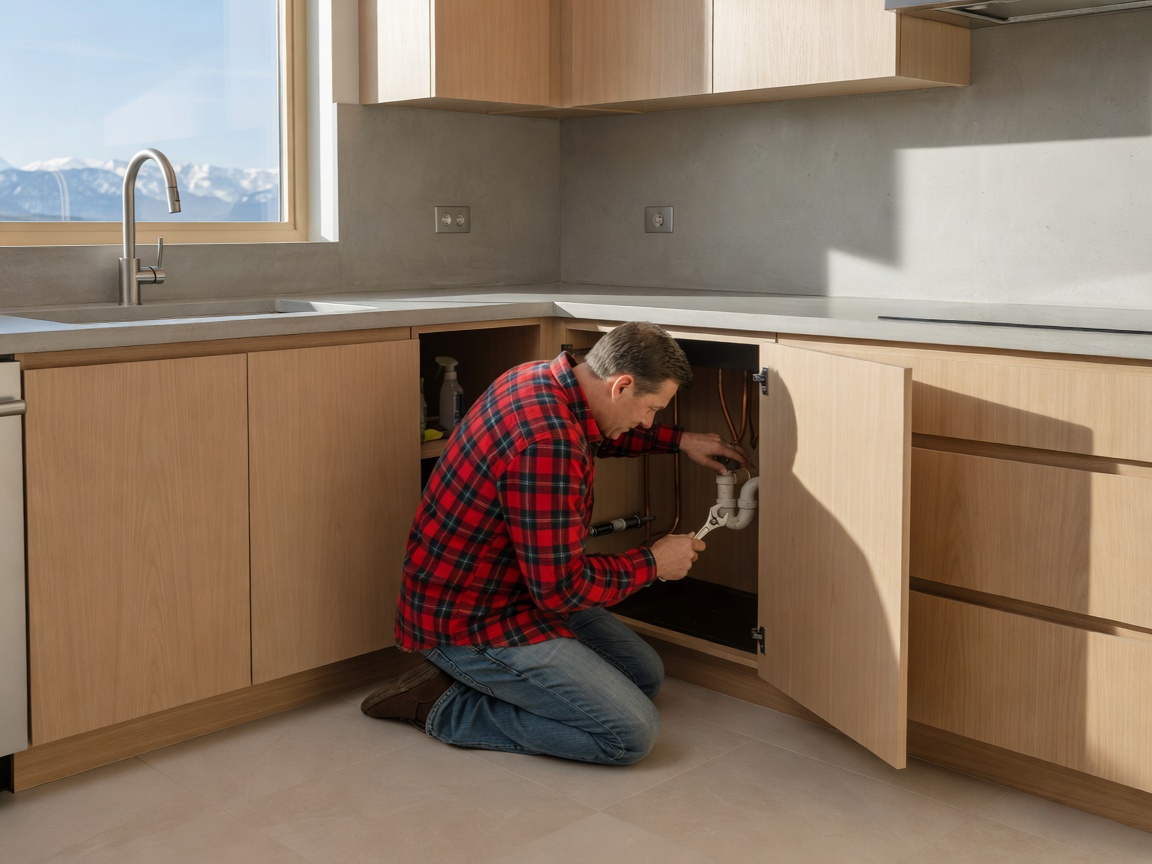
This guide is for Colorado homeowners dealing with two pests at once: German roaches inside the kitchen and spiders around the home. If you have called around, you have heard the same thing. Companies ask for your ZIP code and details before they name a price.
That can feel frustrating when you just want a number. But the questions matter. Roaches and spiders need different treatments, so the plan shapes the cost.
You are really deciding three things:
- Do you need a one-time visit or an ongoing plan?
- Do you want both pests handled under one service?
- Which local provider fits your home and budget?
HomePest Match is an independent guide, not a pest control company. We help you understand the process and connect you with local providers. When you are ready, you start the contact. Below, we break down how pricing works so you can compare quotes with confidence.
Why you can't get one flat price over the phone
This is the biggest thing homeowners misunderstand. You call, you ask "how much," and the answer is another question. That is not a runaround. It is how honest pricing works.
A German roach problem in a small condo is very different from one in a large house. Roaches breed fast and hide in warm, tight spaces. Treating them often takes more than one visit. Spiders usually follow other bugs, so a plan that reduces their food source helps control them too.
Price depends on real factors, including:
- Home size: more square footage means more area to treat.
- Pest type: German roaches need targeted baiting; spiders need perimeter work.
- Severity: a light spider issue costs less than a heavy roach outbreak.
- Plan frequency: one-time, quarterly, or monthly changes the total.
- Access: finished basements or cluttered rooms take longer.
A fair quote reflects your actual home. That is why providers ask for your ZIP code and a short description first. Expect ranges, not magic numbers, until someone reviews the details.
How to spot German roaches and spider problems
Knowing what you have helps you describe it clearly when you request quotes. German roaches and household spiders leave different clues.
Signs of German roaches
- Small, light-brown roaches near the stove, sink, or dishwasher.
- Two dark stripes behind the head.
- Droppings that look like ground pepper in drawers or corners.
- A musty smell in heavy cases.
- Roaches seen during the day, which often means a large hidden population.
Signs of spider activity
- Webs in corners, basements, garages, and window frames.
- Egg sacs tucked in quiet, low-traffic spots.
- More spiders in fall, when Colorado temperatures drop and they move indoors.
Spiders inside often mean other insects are present, since spiders hunt them. Treating the whole home usually works better than chasing one pest. Write down where you see activity and how long it has been going on. Those details help a provider give you an accurate quote and plan.
What actually works, and when DIY falls short
Store sprays can kill the roaches you see. They rarely reach the ones you don't. German roaches hide in walls and appliances, and they rebound fast. That is why DIY often fails with them.
Effective roach treatment usually includes:
- Targeted gel bait placed where roaches feed and travel.
- Growth regulators that stop breeding cycles.
- Follow-up visits to catch newly hatched roaches.
One visit rarely ends a real German roach problem. Most plans include a follow-up within a few weeks.
Effective spider control usually includes:
- Removing webs and egg sacs by hand.
- Treating the home's perimeter and entry points.
- Reducing the insects spiders feed on.
DIY works fine for a stray spider or two. It struggles when you have both roaches and spiders, or when the problem keeps returning. A trained technician treats the source, not just the symptoms. If you have tried sprays and still see pests, that is a strong sign it is time to request quotes from local providers.
What to ask when you request quotes
Good questions protect your money and set clear expectations. Ask these before you commit to any provider.
- What does the initial visit include, and does it cover both roaches and spiders?
- How many follow-up visits come with the roach treatment?
- Is this a one-time service or a recurring plan?
- How long is my quote valid? Many providers hold a quote for around 30 days.
- Can I get a written breakdown? Ask for the per-visit cost, the annual total, and any startup fee in writing before you sign.
- What products do you use, and are they safe for pets and kids?
- Are you licensed in Colorado? Verify a company's license through the Colorado Department of Agriculture pesticide program before you hire.
A clear written quote lets you compare providers fairly. If a company will not put the numbers in writing, treat that as a warning sign. When you request quotes through HomePest Match, you start the contact yourself. Calls may be recorded, and no one calls you out of the blue. You stay in control of the process from the first message.
Local notes for Colorado homeowners
Colorado's climate shapes your pest calendar. Cold winters push spiders and roaches indoors, where heated homes stay warm and inviting. That is why many homeowners notice more activity in fall and winter.
German roaches thrive indoors year-round because they live in warm kitchens and bathrooms. Weather outside barely affects them. Spiders, on the other hand, move inside as temperatures drop, then settle in basements and garages.
A few Colorado-specific points:
- Dry mountain air does not stop indoor roach problems; plumbing and warmth do the work for them.
- Front Range and metro areas usually have more providers, so quotes may come faster.
- Rural and mountain ZIP codes may have fewer nearby companies and longer scheduling windows.
Ask any provider whether they serve your ZIP code before you go deep on pricing. Coverage varies across the state. Metro homeowners near Denver, Colorado Springs, or Fort Collins often have several options. If you live farther out, confirm service first so you do not waste time comparing quotes you cannot use.
Cost factors that shape your final price
No honest guide can promise exact dollar figures for your home. Prices vary by provider, region, and severity. But you can understand the factors that move the number up or down.
Plan structure matters most:
- One-time service costs the most per visit but has no ongoing commitment. It suits a single problem you want handled once.
- Quarterly plans spread treatment across the year, usually at a lower per-visit rate. They help prevent roaches and spiders from returning.
- Monthly plans cost more over the year but give the closest attention. Heavy roach cases sometimes start monthly, then shift to quarterly.
Other drivers include:
- Home square footage and number of stories.
- How bad the infestation is when treatment starts.
- Whether one visit or several are needed for the roaches.
- Startup or initial-service fees, which are common with recurring plans.
When you compare quotes, look at the annual total, not just the first visit. A low starting price can hide a higher yearly cost. Ask for the full breakdown, then choose the plan that fits your home and budget.
Common questions
Why can't I get a flat pest control price over the phone?
Pricing depends on your home size, pest type, severity, and plan frequency. German roaches often need follow-up visits, which changes the cost. Providers ask for your ZIP code and details so the quote reflects your actual home.
How long does a pest control visit take?
An initial visit for roaches and spiders often takes longer because it covers inspection and treatment. Recurring visits are usually shorter once the problem is under control. Ask your provider for their expected time on your first call.
Do German roaches need more than one treatment?
Usually, yes. German roaches breed fast and hide in walls and appliances. Most effective plans include at least one follow-up visit to catch newly hatched roaches.
Can one plan cover both roaches and spiders?
Often, yes. Many providers treat both under a single home service. Reducing the insects spiders feed on also helps control them. Confirm both pests are included before you commit.
How long is a pest control quote valid?
Many providers hold a quote for about 30 days. Ask for the exact timeframe and get the numbers in writing. That lets you compare providers without pressure.
How soon can someone inspect my home?
In Colorado metro areas near Denver or Colorado Springs, scheduling is often quick because more providers operate there. Rural and mountain ZIP codes may take longer. Confirm coverage for your ZIP code first.
Related: cockroach control details · spider control signs and questions · request quotes from local providers · check service area by ZIP code · set up billing for recurring service