Pest Control Pricing and Service Timeline for California Homes
Most California callers want the same thing: a clear price and a simple timeline. Pest control usually starts with a larger initial visit, then smaller recurring visits every one to three months. This guide explains how quotes are built and what happens after you schedule.
Calls may be recorded for quality and matching purposes.

Who this guide is for and what you are deciding
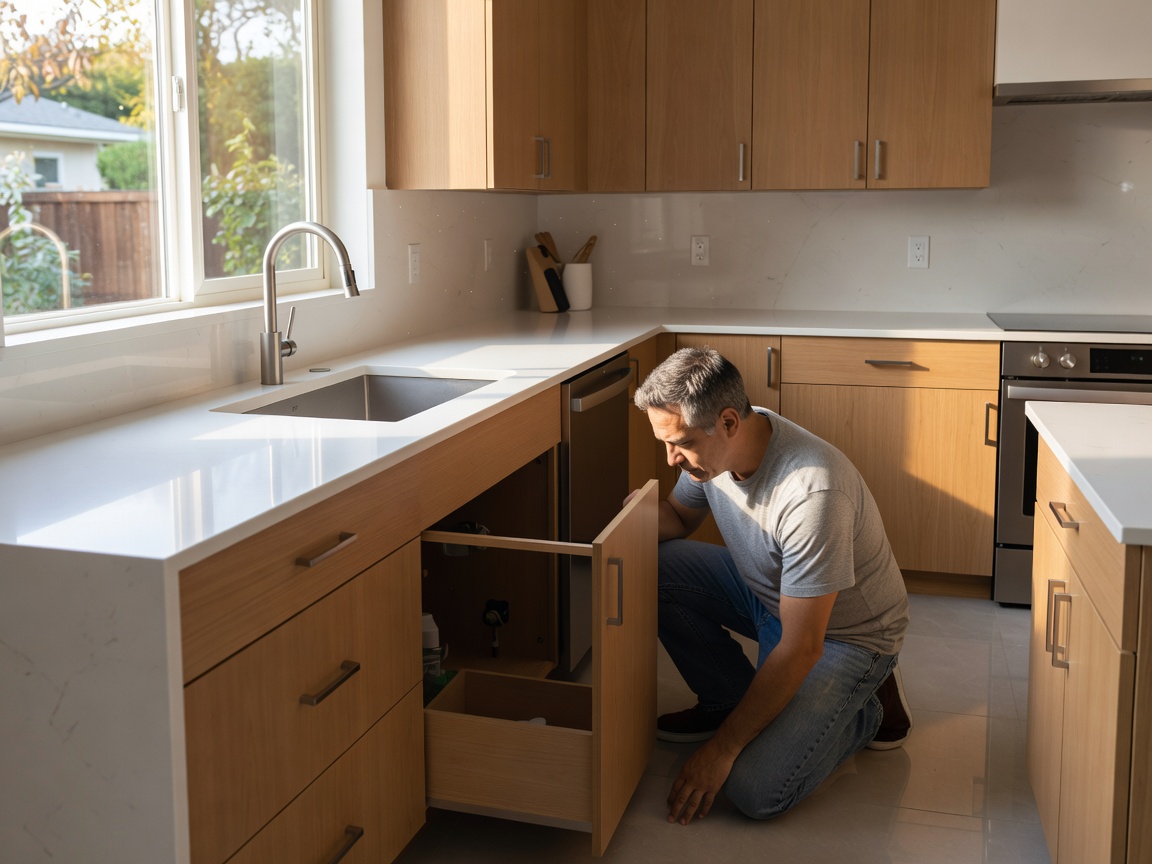
This guide is for California homeowners dealing with ants, spiders, and roaches in the kitchen and bathroom. You want to schedule an inspection, but you are unsure what it costs or how the process works.
You are really deciding three things at once. First, do you need a one-time treatment or an ongoing plan? Second, how much should you expect to pay upfront versus each month? Third, which company fits your home and your pests?
HomePest Match is an independent guide. We are not a pest control company. We help California homeowners understand pricing and then connect with local providers when they are ready.
Callers often describe the same problem in plain words. "I want to get the ants and spiders out of here." "Roaches in the kitchen and bathroom." These are common, treatable issues.
Here is the key point. You start the contact. A provider does not call you out of the blue. When you request quotes, you choose who reaches out and when.
What homeowners misunderstand about pricing and process
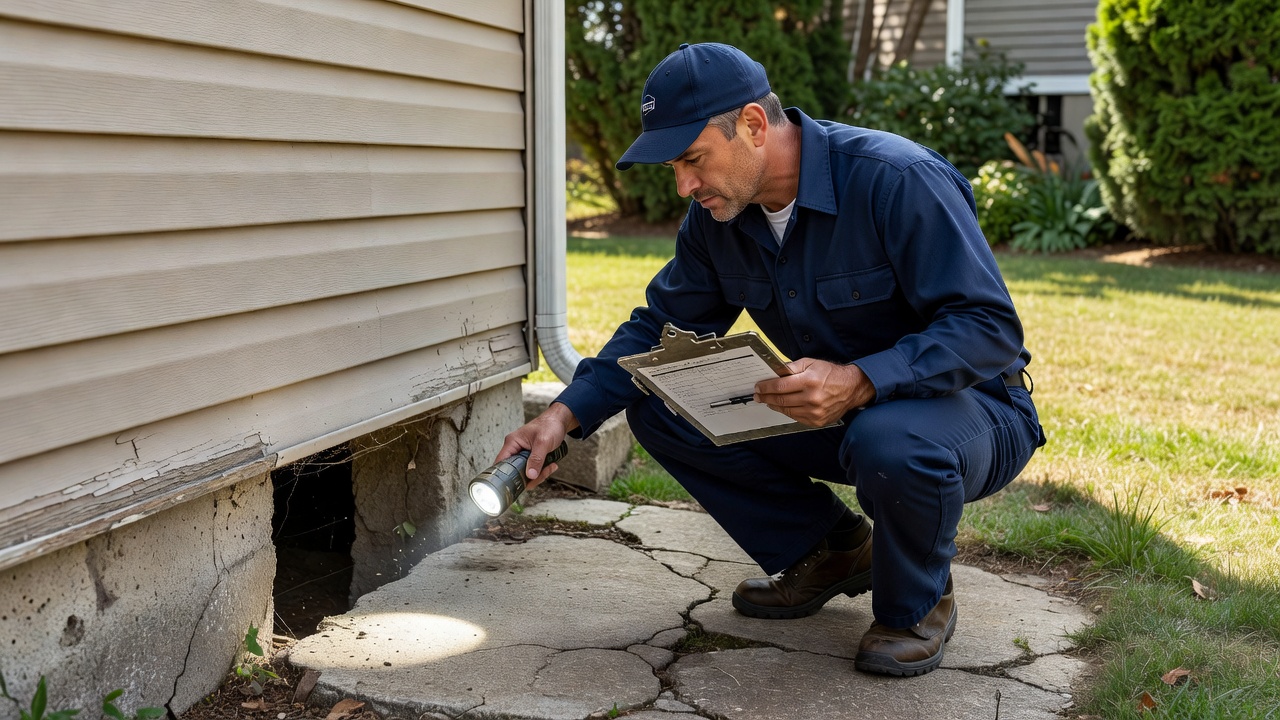
The biggest misunderstanding is thinking pest control is one flat fee. It rarely works that way. Most plans split into two parts: a larger initial visit and smaller recurring visits.
The initial visit costs more because it does more. The technician inspects your home, treats active pests, and sets up protection at entry points. This first treatment is usually the highest single charge.
Recurring visits cost less. They keep pests from coming back. In California, providers often use these schedules:
- Quarterly: a visit every three months. This is the most common plan for ants and spiders.
- Bi-monthly: a visit every two months. Good for steady pressure.
- Monthly: a visit every month. Often used for heavy roach problems.
Roaches change the math. German roaches in a kitchen breed fast and usually need several close-together visits, not one treatment. Ask whether follow-up visits are included or billed separately.
Another myth: the quote covers every pest. It may not. Ants, spiders, and common roaches usually fall under general pest plans. Termites, bed bugs, and rodents are often priced on their own.
Understand this split first, and every quote makes more sense. You compare the initial fee, the recurring fee, and the visit frequency side by side.
Signs you are dealing with ants, spiders, or roaches
Knowing your pest helps you describe it and get an accurate quote. Each one leaves clues.
Ants. You see trails along counters, baseboards, or windowsills. In California, Argentine ants form long lines and often enter through foundation cracks. They chase moisture, so kitchens and bathrooms draw them.
Spiders. You find webs in corners, garages, and under eaves. Common house spiders and cellar spiders build messy webs indoors. Black widows hide in garages, woodpiles, and dark outdoor corners across much of California. Their webs feel strong and irregular.
Roaches. These are the ones most callers worry about. Look for small dark droppings that resemble pepper or coffee grounds. You may notice a musty smell or egg cases in cabinets. German roaches gather in warm, damp spots near sinks and appliances.
Nighttime activity is a strong sign of roaches. Many callers say they "mostly see them at night" in kitchen cabinets. That behavior points to a growing population, not a stray bug.
Write down where you see pests and when. That short note helps a provider price the job and plan the first visit.
What actually works, and when DIY falls short
Store sprays can knock down a few visible bugs. They rarely solve the source. Real control targets nests, entry points, and the conditions pests like.
Effective treatment usually combines methods:
- Baits: gel or station baits work well for ants and roaches. Pests carry the bait back to the colony.
- Targeted sprays: residual products applied along entry points and cracks.
- Exclusion: sealing gaps at foundations, windowsills, and pipe openings.
- Web and nest removal: knocking down spider webs and egg sacs by hand.
DIY often fails with German roaches. They hide deep in walls and appliances and multiply fast. One spray may scatter them and make the problem harder to treat. Professionals use bait rotations and repeat visits to break the breeding cycle.
Spiders are also easier to manage with ongoing service. Reducing their food supply, meaning other insects, lowers spider numbers over time.
Ask about re-entry time after treatment. Many interior products call for staying out of the treated room for a few hours until surfaces dry. A good provider tells you this before they start, along with any pet or child precautions.
What to ask when you request quotes
Good questions protect your budget. Group them into three areas.
Coverage and pests included
- Does the plan cover ants, spiders, and roaches together?
- Are follow-up roach visits included or billed separately?
- Are termites, bed bugs, or rodents priced apart from this plan?
Scheduling and contract terms
- How soon can the first inspection and treatment happen?
- Is this quarterly, bi-monthly, or monthly service?
- Is there a contract, and what is the cancellation policy?
- Do you offer a return visit if pests come back between services?
Safety and licensing
- Are you licensed in California, and can I verify it?
- What products will you use, and what is the re-entry time?
- What precautions apply for children and pets?
You can confirm a company's license through the California Department of Pesticide Regulation, which oversees structural pest control operators statewide.
When you call, expect a quick screening. Many providers ask for your ZIP code and a short description of the pest. This is normal. Have your address and pest list ready so the call moves fast.
California notes: local pests and coverage
California is large and varied, so pests and access differ by region. Providers plan around your local conditions.
Coastal and urban areas. Cities like Los Angeles, San Diego, and Oakland see heavy Argentine ant pressure. Warm winters keep ants active most of the year, which often supports quarterly plans.
Inland and valley areas. Places like Sacramento, Fresno, and the Central Valley get hot, dry summers. Roaches and spiders push indoors toward water sources in kitchens and bathrooms.
Rural and mountain ZIP codes. Homes in the Sierra foothills, far northern counties, or high-desert areas near Barstow may sit outside some national provider maps. If a big company will not serve your ZIP, a local operator often will.
Coverage depends on your ZIP code, not just your city name. Two homes a few miles apart can fall into different service areas. Always confirm your ZIP is covered before you schedule.
Black widows are worth extra care in California garages and yards. Mention them by name when you request a quote so the technician checks the right hiding spots.
Cost factors that shape your price
No two quotes match exactly, because homes differ. These factors move the price up or down.
Home characteristics
- Square footage and number of floors.
- Lot size and yard features like woodpiles or dense plants.
- Age of the home and number of possible entry points.
Plan frequency and structure
- The initial visit usually costs the most.
- Recurring visits cost less per visit.
- Monthly plans cost more over a year than quarterly plans, but they hit stubborn pests harder.
Pest severity and access
- A light spider issue costs less than a widespread roach infestation.
- German roaches often need several early visits, which raises the first-month total.
- Hard-to-reach areas, like crawl spaces or tight cabinets, can add time and cost.
We do not publish set prices, because your quote depends on these details. Instead, compare providers on the same terms. Look at the initial fee, the recurring fee, and the visit schedule together.
When you are ready, request quotes and let providers price your specific home. You stay in control of every contact.
Common questions
How does pest control pricing usually work?
Most plans split into two parts. You pay a larger fee for the first visit and a smaller fee for each recurring visit. The recurring visit happens monthly, bi-monthly, or quarterly.
Do I need a plan or a one-time treatment for roaches?
German roaches usually need more than one visit. They breed fast and hide deep, so several early treatments work better than a single spray. Ask whether follow-ups are included.
How fast can someone come out for an inspection?
Timing varies by provider and your ZIP code. Many can schedule an inspection within a few days. When you request quotes, ask each company for its earliest available visit.
Does one plan cover ants, spiders, and roaches?
General pest plans often cover all three. Termites, bed bugs, and rodents are usually priced separately. Confirm exactly which pests are included before you agree.
What should I have ready when I call?
Have your address, ZIP code, and a short pest description ready. Note where you see pests and when. This helps the provider give you an accurate quote quickly.
Is it safe for kids and pets after treatment?
Most interior products need a short drying time, often a few hours. Ask about re-entry time and any pet or child precautions before the technician starts.
Related: how pest control costs are planned · cockroach control signs and questions · spider control basics · check service area by ZIP code · request pest control quotes