Looking for a Pest Control Quote in Florida? Here's What Shapes the Price
A pest control quote in Florida is not one flat number. Your price depends on your home size, the pest, and how often you want treatment. This guide shows what goes into a quote so you can compare providers with confidence.
Calls may be recorded for quality and matching purposes.
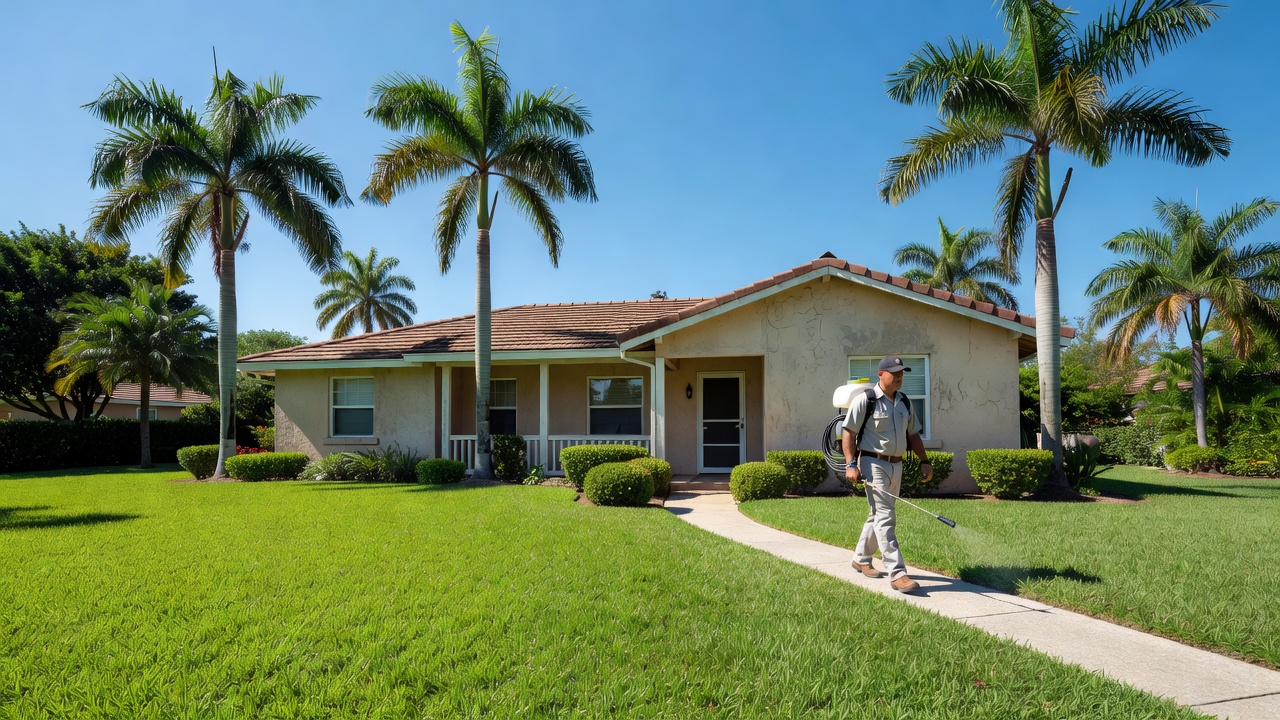
Who this guide is for and what you're deciding

You have pests. Maybe roaches in the kitchen, spiders in the garage, or ants along the patio. You want a real number before you say yes. That is exactly what this guide covers.
HomePest Match is an independent guide. We are not a pest control company. We help Florida homeowners understand pricing and connect with licensed local providers.
Most callers start with one line: "I'm looking for a quote on pest control." That is a good start, but a quote depends on details. A provider needs to know your ZIP code, your pest, and your home before they give a firm price.
Here is what you are really deciding:
- One-time treatment or an ongoing plan?
- General pest coverage or a single pest like termites or bed bugs?
- Which local provider fits your budget and schedule?
When you request Florida pest-control quotes, you compare options side by side. You always make the first call. Providers do not chase you.
What homeowners misunderstand about a pest control quote
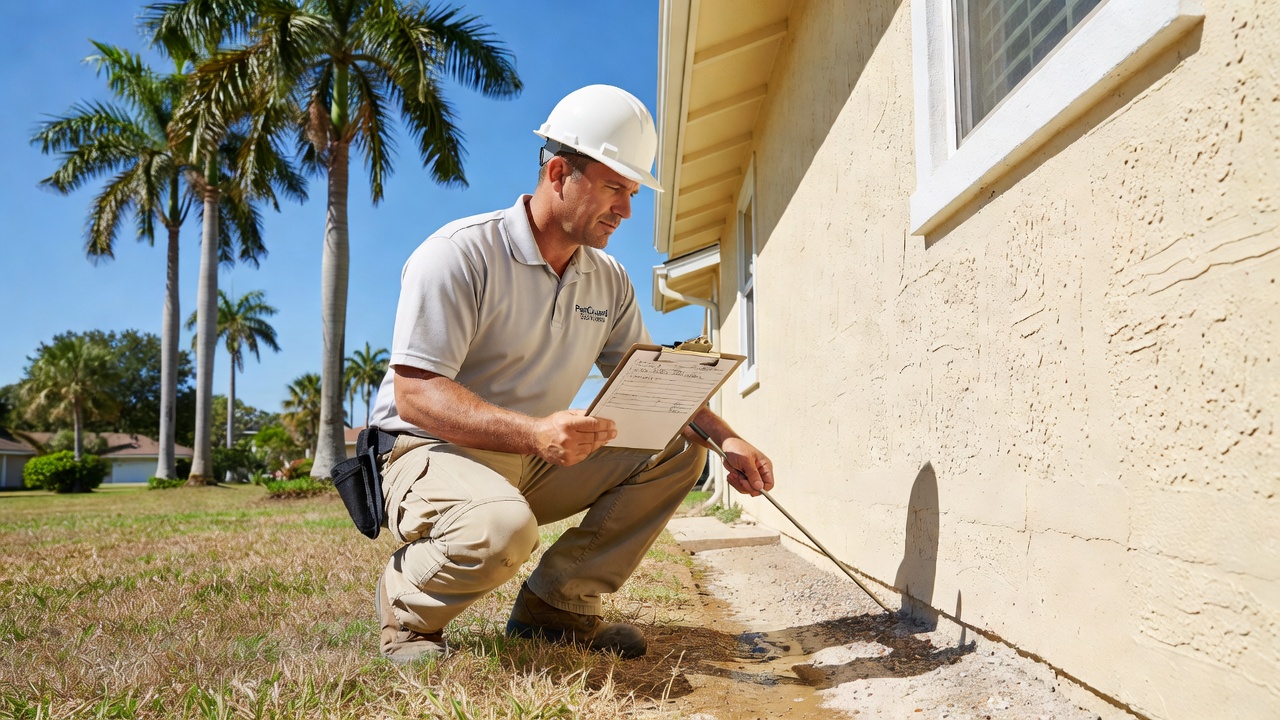
This is the biggest gap we hear. Homeowners expect one price over the phone. But an honest quote is not a single number pulled from thin air.
A quote is a range until a provider sees your home. Two houses on the same street can pay different amounts. The reason is simple: pests, square footage, and access all change the work involved.
Here is what most people miss:
- Initial visit costs more than follow-ups. The first treatment does the heavy lifting. Recurring visits cost less because they maintain the barrier.
- "How much to spray my house?" has no flat answer. Spraying for ants outdoors is not the same job as treating a German roach infestation in cabinets.
- Some pests need their own quote. Termites, bed bugs, and wildlife are usually priced separately from general pest control.
When callers ask, "How much do y'all charge to come spray for bugs?", the fair answer is: it depends on the pest and the home. A provider gives a firm price after a quick inspection. That inspection is how the range becomes a real number. See our Florida pest control cost guide for published ranges.
Signs that tell you it's time to request a quote
Not sure if you need service yet? These signs mean it is worth getting a quote. Florida's warm, humid climate keeps pests active nearly year-round.
Common warning signs
- Roaches at night. You flip on the kitchen light and see them scatter. German roaches hide in cabinets and appliances.
- Spiders indoors. Webs in corners, garages, and basements. Many callers want spider control specifically.
- Ant trails. Lines of ants along counters, windowsills, or patios after rain.
- Droppings or gnaw marks. Small black droppings near food or scratching in walls can mean rodents.
- Bites while sleeping. Small, itchy bites in rows can point to bed bugs.
- Mosquitoes in the yard. Standing water after Florida rains breeds them fast.
One pest often signals another. Callers frequently list combos like "roaches and spiders" or "rats and roaches." A single quote can often cover several general pests under one plan.
If you spot termite mud tubes or damaged wood, act quickly. Read our Florida termite control guide to learn what to check.
What actually works, and when DIY falls short
Store sprays and traps can knock down a few bugs. For small, first-sight problems, they sometimes help. But they rarely reach the source.
DIY often fails because pests hide where you can't reach. German roaches breed inside walls and appliances. Rodents nest in attics and crawlspaces. Bed bugs tuck into mattress seams and baseboards. Surface spray does not solve deep infestations.
Here is what professional service adds:
- Inspection first. A technician finds entry points and nests you would miss.
- Targeted products. Licensed providers use materials matched to the pest and applied where they work.
- A protective barrier. Recurring visits keep pests from coming back.
Recurring plans matter in Florida. The climate never gives pests a real off-season. A one-time treatment may clear a problem, but new pests move in without ongoing coverage.
Think of it this way. A one-time visit is a reset. A recurring plan is maintenance. Many homeowners choose quarterly service for general pests, with extra visits during peak bug months.
What to ask when you request quotes
A good quote conversation takes a few minutes. Have your ZIP code and pest ready. Then ask these questions to compare providers fairly.
Coverage and pests included
- Which pests does this plan cover? Are spiders, ants, and roaches all included?
- Are termites, bed bugs, or rodents priced separately?
- Do you re-treat for free between visits if pests return?
Scheduling and contract terms
- How soon can you inspect? In metro areas like Tampa or Orlando, many providers schedule within 2 to 5 business days. Rural ZIP codes may take 5 to 10 days.
- How long is the initial visit? First visits often run 45 to 90 minutes. Recurring visits usually take 20 to 30 minutes.
- Is there a contract, and what is the cancellation policy?
Safety and licensing
- Are you licensed in Florida? Verify a provider's license through the Florida Department of Agriculture and Consumer Services, which regulates pest control here.
- Are products safe around children and pets?
Note that provider calls may be recorded for quality assurance. You always start the call. When you request quotes, you decide who to contact.
Local notes for Florida homeowners
Florida's climate shapes both pests and pricing. Heat and humidity keep bugs active in every season. That is why many local providers push year-round or quarterly plans.
Coastal humidity feeds roaches and ants. Homes near Miami and West Palm Beach deal with heavy roach and ant pressure. Warm nights keep them breeding.
Rainy season brings mosquitoes and swarms. Summer storms leave standing water in yards. Mosquito activity spikes from late spring through fall. Termite swarms are also common after warm, wet weather.
Older homes need extra attention. Many Florida houses sit on concrete slabs, which affects termite treatment options. Homes with open soffits or attic vents can invite roof rats, especially near mature trees and citrus.
Lawns and lanais draw pests too. Screened porches trap moisture. Palmetto bugs, a large roach type, thrive in mulch and yard debris.
Because pressure varies by region, prices do too. Compare local options in your city:
Cost factors that shape your price
No honest guide can promise a fixed price. But you can understand what moves the number up or down. Here are the main factors, grouped for clarity.
Home characteristics
- Square footage. Bigger homes take more time and product.
- Lot size. Large yards add exterior treatment area.
- Construction. Slab foundations, crawlspaces, and multiple stories change access.
Plan frequency and structure
- Initial vs. recurring. The first visit costs more. Follow-ups cost less.
- Quarterly vs. monthly. Quarterly plans spread visits across the year. Monthly plans cost more per year but keep tighter control.
- One-time vs. ongoing. A single treatment has one flat price with no maintenance.
Pest severity and access
- Type of pest. General pests cost less than termites, bed bugs, or wildlife.
- Infestation size. A light spider problem costs less than a heavy roach one.
- Access. Blocked cabinets or crowded attics take longer.
For published ranges and planning details, see our 2026 Florida cost guide. When you know these factors, you can read any quote clearly.
Common questions
How fast can someone come out for an inspection?
In Florida metro areas like Tampa, Orlando, and Miami, many providers schedule an inspection within 2 to 5 business days. Rural ZIP codes may take 5 to 10 days. You always call to book; providers do not contact you first.
How long does a pest control visit take?
The first visit usually runs 45 to 90 minutes because it includes inspection and full treatment. Recurring visits are shorter, often 20 to 30 minutes. Larger homes and heavy infestations take longer.
Why can't I get one flat price over the phone?
A firm price depends on your home size, the pest, and how often you want service. Providers give a range on the phone and a firm number after they inspect. This keeps the quote honest and accurate.
Does one quote cover roaches, spiders, and ants together?
Often yes. Many general pest plans in Florida cover common bugs like roaches, spiders, and ants under one price. Termites, bed bugs, and wildlife are usually quoted separately.
Is quarterly or monthly service better in Florida?
Both work. Quarterly plans suit most homes and cost less per year. Monthly plans give tighter control during peak bug months. Choose based on your pest pressure and budget.
How do I check if a provider is licensed?
Florida pest control is regulated by the Department of Agriculture and Consumer Services (FDACS). Ask for the license number and verify it through their website before you schedule service.
Related: request Florida pest-control quotes · Florida pest control cost guide · how to choose a pest control company · Florida termite control guide · pest control in Tampa