What to Expect When You Report a Pest Problem
You spotted spiders and maybe something else, and you want help. Before you call, gather a few simple facts about your home and what you have seen. That short prep makes the whole process faster and gets you a clearer quote.
Calls may be recorded for quality and matching purposes.
Who this guide is for

This guide is for homeowners who noticed a pest and want to report it. Maybe you saw spiders in the basement. Maybe roaches showed up in the kitchen too. You are trying to decide who to contact and what to say.
Many people freeze on the first call. They mention a spider, then realize they do not know what else to add. The call stalls or drops before anything gets scheduled.
That is normal. Reporting a pest issue is not a quiz. But a matching service or provider does need a few basics to point you the right way. This page explains what those basics are.
HomePest Match is an independent guide. We help homeowners understand pest problems and connect with local providers. We are not a pest control company, and we do not send anyone to your door. You choose who to contact and when.
This applies to homeowners across many states where spiders, roaches, ants, and rodents are common. The pests differ by region, but the reporting steps stay the same everywhere.
What homeowners misunderstand: what info you actually need

Here is the biggest gap. Many people think reporting a pest means naming the bug and nothing else. Then the call gets specific and they go quiet. That is where things fall apart.
You do not need to identify the exact spider species. You do not need photos, though they help. You need a handful of plain details that describe your situation.
Have these ready before you reach out:
- Your name and ZIP code. This confirms the service area.
- Property type. Single-family home, townhome, condo, or rental.
- What you have seen. Spiders, and any other pests like roaches or mice.
- Where you see them. Basement, kitchen, garage, or bedroom.
- How long it has been happening. A few days, a few weeks, or ongoing.
- How many. One or two, or a lot in one spot.
That is the whole picture a provider wants. None of it requires expert knowledge. If you saw one spider in the basement and a few roaches in the kitchen, just say that. The clearer you are, the faster you get a useful answer or quote.
Note on calls: some provider lines say a call may be recorded for quality. That is standard. You always start the contact yourself.
Signs worth mentioning when you report
Spiders are often a clue, not the whole story. They eat other insects. A spider problem can mean another pest is feeding them nearby. So describe everything you notice, not just the spiders.
Spider signs
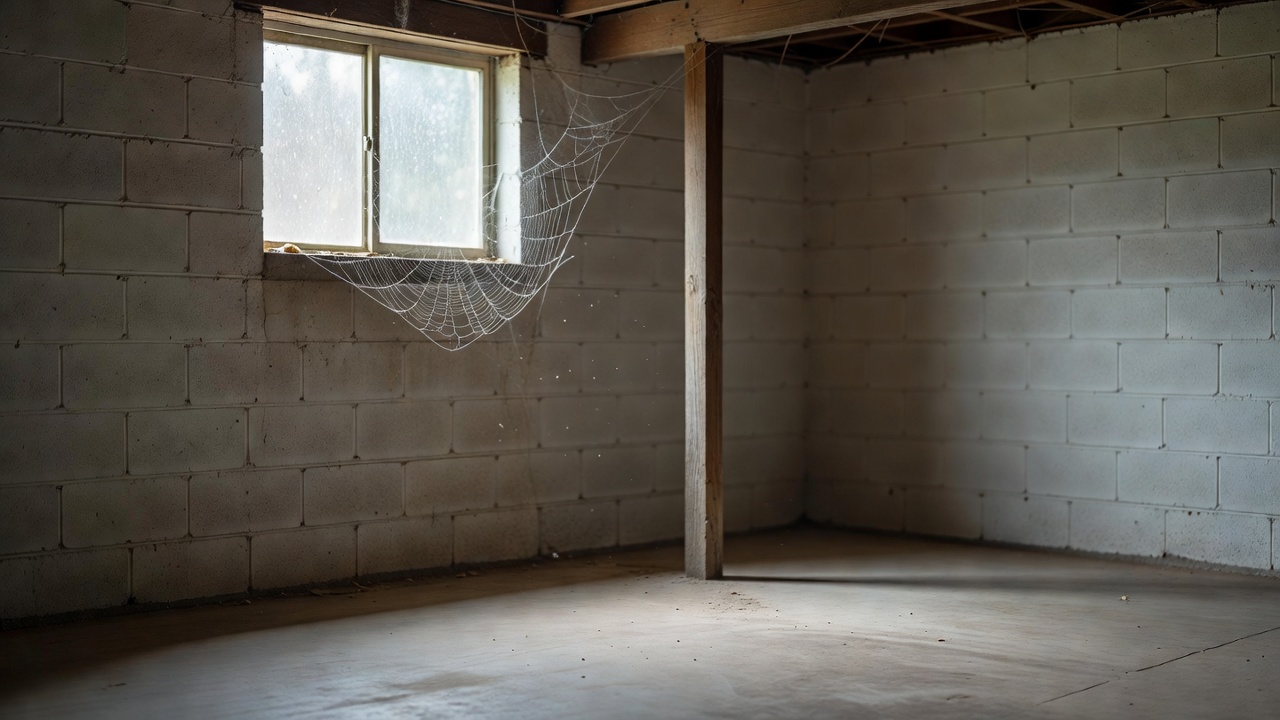
- Webs in corners, ceilings, or window frames.
- Egg sacs, which look like small silk balls.
- Spiders in low, damp areas like basements and crawl spaces.
Signs of other pests
- Small dark droppings in cabinets or drawers, which can mean roaches or mice.
- A musty or oily smell in the kitchen.
- Gnaw marks on wires, boxes, or food packaging.
- Live bugs at night when you flip on a light.
The caller who mentioned spiders and thought there might be mice was on the right track. Reporting both matters. Different pests need different treatments, and the provider needs the full list to plan the visit and price it fairly.
If you can, snap a quick photo on your phone. A blurry picture of a web or a bug still helps someone confirm what you are dealing with.
What actually works, and when DIY stops working
Some spider sightings are easy to handle yourself. A single spider near a window is not an emergency. Regular cleaning and a few simple fixes go a long way.
Steps you can try first
- Vacuum webs and egg sacs, then empty the vacuum outside.
- Seal cracks around windows, doors, and pipes.
- Reduce clutter in basements and garages where spiders hide.
- Fix damp spots, since moisture draws the insects spiders eat.
When to call a professional
DIY has limits. Call a provider when spiders keep coming back, when you see them in many rooms, or when another pest is feeding them. Recurring roaches or rodents almost always need professional help.
The U.S. Environmental Protection Agency recommends integrated pest management, or IPM. That means sealing entry points, removing food and water sources, and using targeted treatment only where needed. Good providers follow this approach instead of spraying everywhere.
A pro can also identify the root pest. If spiders keep returning, treating that underlying insect problem often solves both at once. That is something a spray can from the store rarely fixes.
What to ask when you request a quote
Once you are ready to reach out, a little structure helps. Here is how to make the conversation smooth and get a real quote.
Details to have ready
- Your ZIP code and property type.
- The pests you have seen and where.
- Home size, roughly, such as square footage or number of floors.
- Whether the problem is new or ongoing.
Questions to ask the provider
- Do you treat spiders and the other pests I mentioned?
- Is this a one-time visit or a recurring plan?
- How many visits does a problem like mine usually take?
- Is there a guarantee if pests come back?
- What should I do to prepare before the visit?
Ask about the plan structure early. Many providers offer quarterly or monthly service. Others do one-time treatments. Knowing this up front helps you compare fairly.
If you want to line up several options at once, our quote request page lets you share these details in one place. You stay in control of who contacts you.
Typical timelines and safety notes
Knowing the schedule helps you plan. Spider and general insect jobs often start with one inspection and treatment visit. Recurring plans then add follow-ups every one to three months.
Tougher pests take longer. Rodent jobs may need several visits over a few weeks to seal entries and confirm the pests are gone. Persistent roach problems also usually need repeat visits, not a single spray.
Safety matters too. Ask whether you need to leave during treatment and for how long. Ask about pets, children, and food storage. Most modern products are low-risk when applied correctly, but you should always follow the provider's instructions. The EPA offers general guidance on using pest control products safely at home. When in doubt, ask the provider to explain their process before you agree to service.
Cost factors to expect (no fixed prices)
Prices vary by home and region, so treat any number as a range, not a promise. Still, a few factors shape almost every quote. Knowing them helps you understand why estimates differ.
Home size and layout
Larger homes and extra floors take more time and product. A townhome and a big single-family house rarely cost the same.
Pest type and severity
A few spiders cost less than a widespread roach or rodent problem. More pests, and more rooms affected, raise the price.
Service plan structure
One-time visits often carry a higher single price. Recurring quarterly or monthly plans spread cost over the year and may include return visits.
For a deeper look at how these factors play out, see our pricing and process guide for roaches and spiders. You can also review the spider control overview for signs and questions specific to spiders. If you want to set up ongoing service, our billing and payment guide explains how recurring plans are handled.
Common questions
What information do I need to report a spider problem?
You need your name, ZIP code, and property type. Also describe the pests you saw, where you saw them, and how long it has lasted. You do not need to identify the exact spider species.
Do I need photos of the pest?
Photos are helpful but not required. Even a blurry phone picture of a web, an egg sac, or a bug helps a provider confirm what you are dealing with. A clear verbal description works too.
Should I mention other pests, or just the spiders?
Mention everything you have noticed. Spiders often feed on other insects, so a spider problem can point to a hidden pest. Reporting all of it leads to a more accurate plan and quote.
Will someone call me back if I go quiet?
No. You always start the contact yourself. That is why it helps to have your details ready before you reach out, so the conversation does not stall.
How many visits will I need?
It depends on the pest. Spider and general insect jobs may need one visit plus periodic follow-ups. Rodent and heavy roach problems usually take several visits over a few weeks.
Is HomePest Match a pest control company?
No. HomePest Match is an independent guide that helps homeowners understand pest issues and connect with local providers. We do not treat homes or send anyone to your door.
Related: spider control overview · request pest control quotes · pricing and process for roaches and spiders · billing and payment setup