Cockroach Identification Guide and Treatment Pricing for San Antonio Homes
Most San Antonio homeowners cannot name their roach, so they cannot judge a fair quote. This guide shows you how to tell German, American, Oriental and smoky brown roaches apart, then explains the factors that move treatment pricing up or down.
Calls may be recorded for quality and matching purposes.
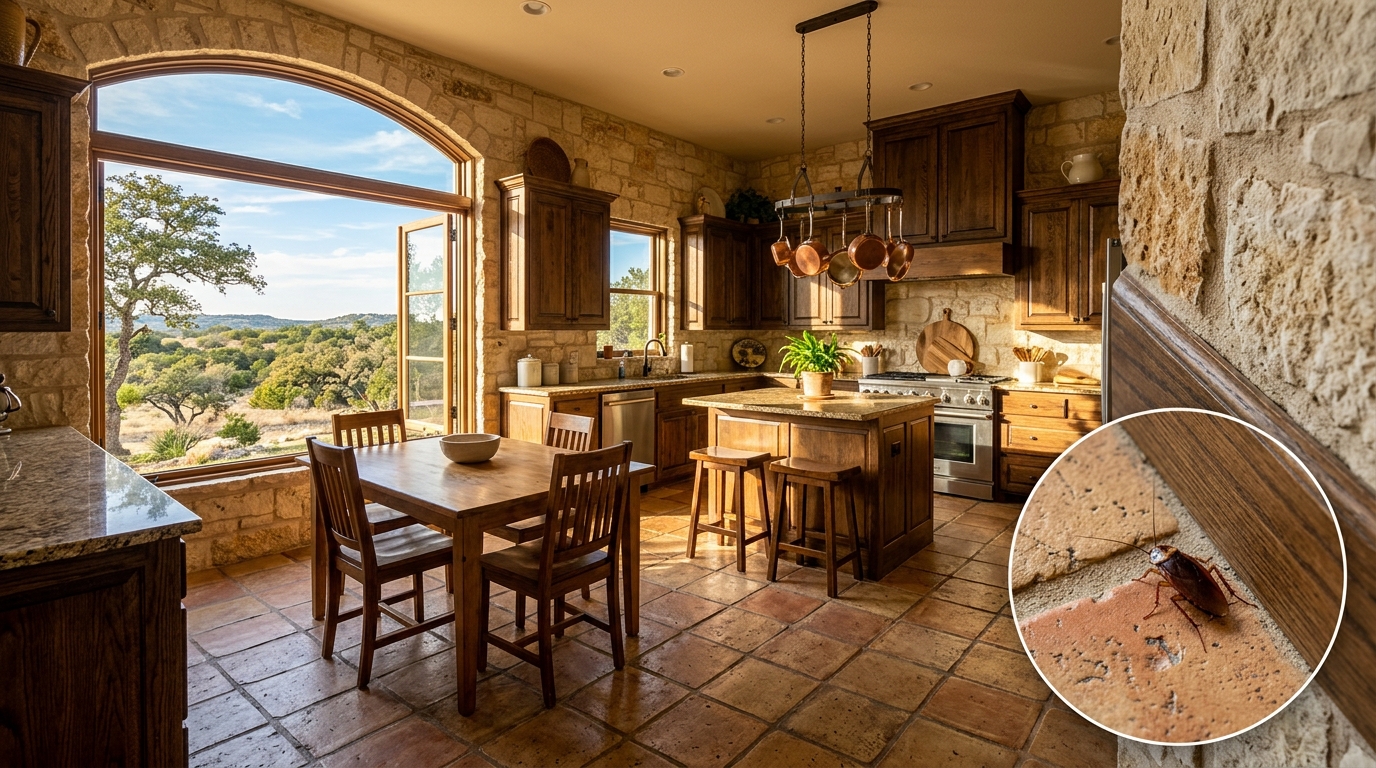
Who this guide is for and what you are deciding
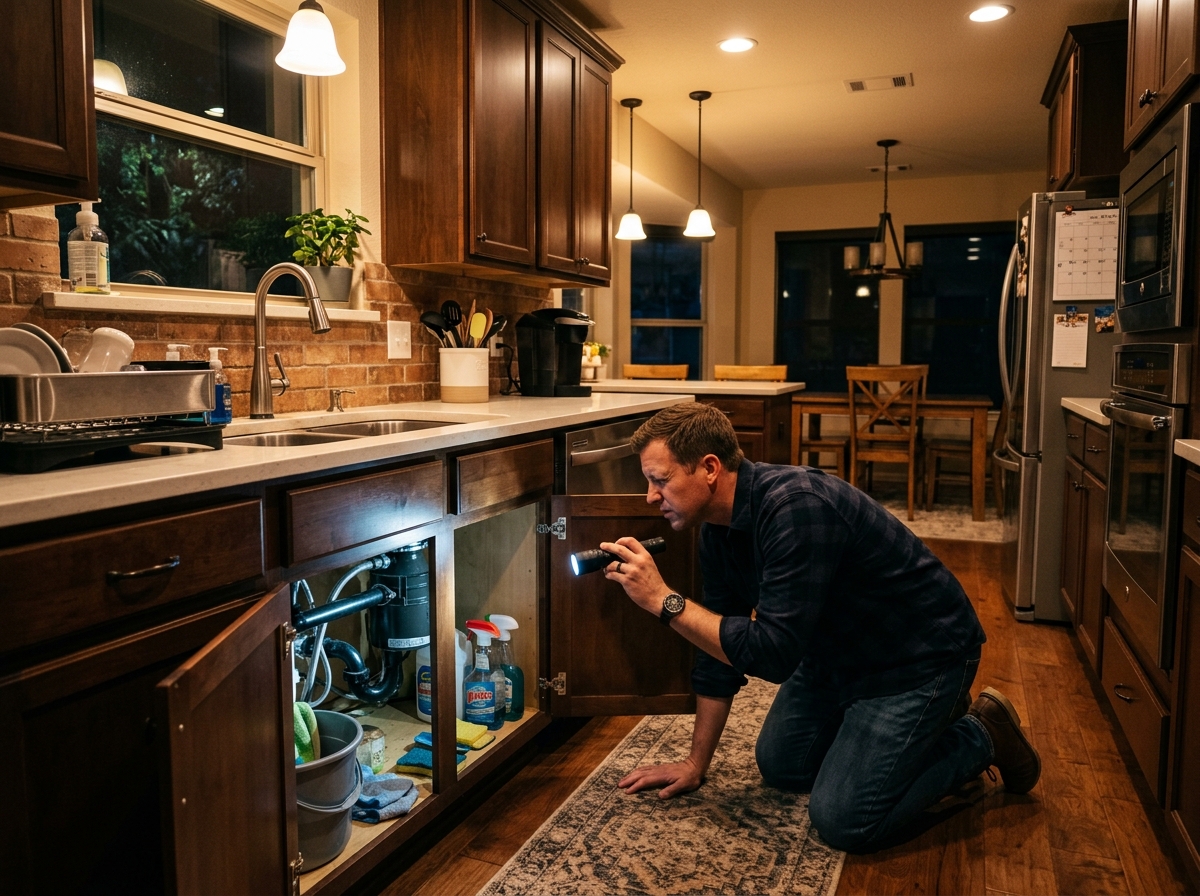
You have seen a roach in your San Antonio kitchen, and now you want two things: a name for the pest and a sense of what removal costs. This guide is for the homeowner standing in the pantry at night, unsure whether the bug is a minor nuisance or the start of an infestation.
HomePest Match is an independent information site operated by EmberPath Media LLC. We do not send technicians or spray homes. We help you understand the problem, then connect you with licensed providers when you decide to request quotes. You always start the contact.
The real decision
You are deciding three things at once:
- Identification: which species you have, because treatment differs sharply between them.
- Severity: whether this is one wanderer or an established population.
- Budget: whether a one-time treatment or a recurring plan fits your situation.
Species matters most. A single American cockroach that walked in from a storm drain needs a very different response than German cockroaches breeding under a dishwasher. Get the identification right and every later choice—method, urgency, cost—becomes clearer.
San Antonio's climate complicates things. Our long, humid summers and mild winters let roaches stay active most of the year. Neighborhoods with older sewer connections and shade trees, from Alta Vista to the near West Side, see steady American and smoky brown pressure. Dense apartment corridors and busy kitchens, common near downtown and Medical Center, favor German roaches that spread unit to unit.
Read the next section first. It closes the gap that trips up most callers: assuming all roaches are the same and treating them the same way.
What homeowners misunderstand: roach type drives everything
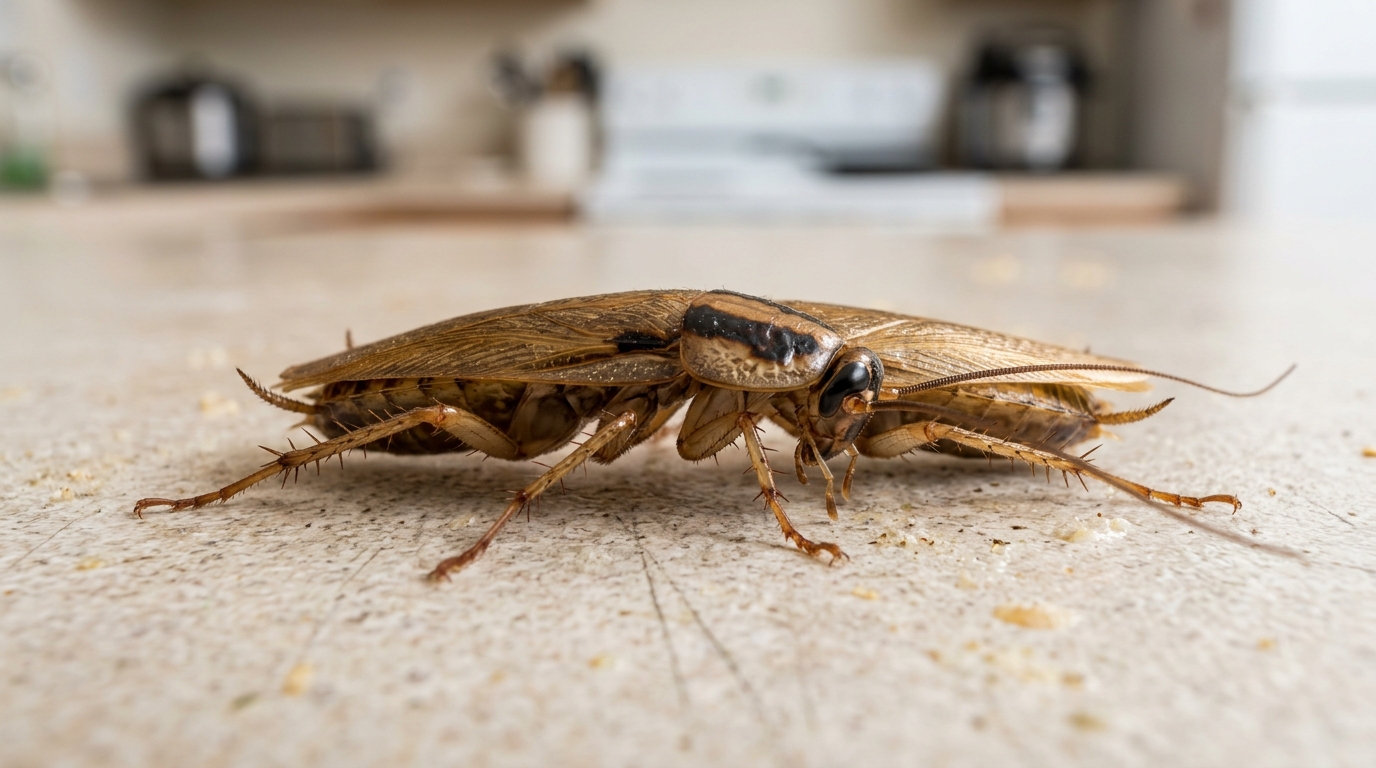
The biggest mistake San Antonio homeowners make is treating every roach as one problem. Species is not a detail. It decides where the roaches live, how fast they multiply, and which treatment actually works. Guess wrong and you can spray for weeks while the population grows behind your cabinets.
Two categories, two strategies
Roaches split into two practical groups. Indoor breeders live and reproduce inside your walls and appliances. Peridomestic roaches live outdoors and wander in. The German cockroach is the classic indoor breeder. American, Oriental and smoky brown roaches are peridomestic—they thrive in sewers, mulch, wood piles and attics, then slip inside.
Why the difference matters so much
A German cockroach female carries an ootheca—an egg case—until it is nearly ready to hatch, and each case holds roughly 30 to 40 eggs. Populations balloon fast in warm kitchens. Because they breed indoors, you cannot solve German roaches by spraying the yard. You need gel bait placed at harborage points and often an insect growth regulator.
An insect growth regulator, or IGR, is a compound that mimics or blocks insect molting hormones. It works by disrupting the nymph's ability to develop a hardened exoskeleton and reach breeding adulthood. IGRs do not kill on contact; they shut down the next generation. That is why professionals pair an IGR with a bait that kills current adults.
Contact spray versus residual bait
Homeowners often reach for a contact spray. Contact insecticides kill only what they touch and evaporate quickly. Residual gel baits keep working for weeks because roaches eat the bait, return to harborage, and pass the active ingredient through the colony. For German roaches especially, over-spraying with repellent products scatters the population and makes bait less effective. Identify first, then match the method.
How to identify your roach: signs and ID markers
You can identify most San Antonio roaches with a flashlight and a few markers. Look at size, color, and where you find them. Note whether you see them by day, which usually signals a heavy population.
German cockroach
Small, about half an inch. Light brown to tan with two parallel dark stripes running down the pronotum, the shield just behind the head. Found in kitchens and bathrooms, near warmth and moisture—under the dishwasher, behind the fridge, inside cabinet hinges. Rice-grain-sized egg cases glued in cracks are a strong sign. This is the species that spreads through apartments and rental duplexes across the city.
American cockroach
Large, up to 1.5 to 2 inches. Reddish brown with a pale figure-eight pattern behind the head. San Antonio residents often call these "palmetto bugs" or "water bugs." They live in sewers, storm drains and shady mulch beds, then enter through drains and door gaps, especially after heavy summer rain.
Oriental cockroach
About an inch, dark and glossy—nearly black. Prefers cool, damp spots: basements, crawl spaces, drains and mulch. Slower and more sensitive to dryness. Common along foundations and near leaky spigots.
Smoky brown cockroach
Roughly 1.25 inches, uniform dark mahogany, strong flier. Lives in attics, tree canopy, gutters and wood piles. In San Antonio's leafy neighborhoods with mature oaks, these fly in through attic vents and open doors on warm evenings.
Warning signs beyond the roach itself
- A musty, oily odor in kitchen cabinets.
- Dark specks like ground pepper (droppings) along hinges and drawer tracks.
- Shed skins or empty egg cases in cracks.
- Roaches visible during daylight—usually a sign of crowding.
What actually works, and when DIY fails
The right method depends on the species you identified. Here is what professionals rely on and where store-bought efforts break down.
German roaches: bait and IGR, not fogging
Effective control uses gel bait placed in dozens of small dabs at harborage points—cabinet corners, hinge voids, behind appliances—plus an IGR to stop nymphs from maturing. Technicians remove clutter, inspect for moisture, and often follow up in two to three weeks to catch newly hatched nymphs. Sanitation matters: crumbs and grease compete with bait.
Why DIY usually fails here: homeowners spray repellent aerosols, which scatter the colony into wall voids and reduce bait uptake. Total-release foggers, or "bug bombs," push roaches deeper and rarely reach harborage. One box of bait rarely covers enough placements. German populations rebound because a few surviving females restart the cycle.
Peridomestic roaches: seal, dry, treat the perimeter
For American, Oriental and smoky brown roaches, the fix is exclusion plus targeted exterior treatment. Exclusion means closing entry routes: door sweeps, sealed pipe penetrations, screened attic and weep vents, and repaired drain traps. A residual perimeter barrier around the foundation, plus granular bait in mulch beds, reduces the population that pushes indoors.
Where DIY falls short: people treat inside while the source stays in the yard, drain or attic. Without sealing the gaps, roaches keep returning after rain. Rooftop and attic entry from tree limbs needs a ladder and inspection most homeowners skip.
Regulation and safety
Every product a licensed technician applies carries an EPA-registered label with directions and safety limits. You can read those labels through the EPA Pesticide Product Labels database. Texas Cooperative Extension entomologists also publish species biology and control guidance you can trust. In San Antonio, licensed applicators are regulated by the Texas Department of Agriculture.
What to ask when you request quotes
Once you know your roach type, a quote conversation goes faster and you can compare providers fairly. Callers often just say "I have a roach problem" and ask for a price. You will get a better answer if you describe the species, the rooms affected, and how often you see them.
Questions that reveal a competent plan
- Which species do you think this is, and how does that change the treatment? A good provider asks about size, color and location before quoting.
- Do you use gel bait and an IGR for German roaches, or spray? The answer tells you whether they understand indoor breeders.
- What is included in a follow-up? German infestations usually need at least one return visit.
- Is exclusion part of the price, or extra? Sealing gaps matters most for American and smoky brown roaches.
- Is this a one-time treatment or a recurring plan, and what does the guarantee cover?
- Are your technicians licensed in Texas, and are products EPA-registered?
How to describe the problem clearly
Give the ZIP code, the rooms, when you see roaches (day or night), and any egg cases or droppings. Mention pets and small children so the technician can plan low-exposure placements. Note that provider phone lines are often recorded for quality assurance, and menus may route you by pest type—press the option for general or crawling insects, not termites or bedbugs.
For a deeper walkthrough of quote factors and plan structures, see our guides on pest control service plans and pricing and what to expect when you report a pest issue.
Local notes for San Antonio homeowners
San Antonio's geography shapes which roach you are likely fighting. Knowing the local pattern helps you predict where the source hides.
Climate and season
Our subtropical climate keeps roaches active nearly year-round. Summer heat and humidity drive American and Oriental roaches out of sewers and mulch and into cooler interiors. After the region's heavy spring and late-summer rains, storm drains flood and push peridomestic roaches toward homes—expect a spike in "palmetto bug" sightings then.
Neighborhood patterns
- Downtown and Medical Center apartments: dense units and shared plumbing favor German roaches, which spread through wall voids and pipe chases between units.
- Older near-West and East Side homes: aging sewer lines and pier-and-beam foundations invite American and Oriental roaches through drains and crawl spaces.
- Alamo Heights, Terrell Hills and Northwest neighborhoods with mature oaks: heavy tree canopy and attic vents draw smoky brown roaches that fly in on warm evenings.
- New subdivisions on the far North and Northwest: fresh mulch beds and irrigation keep perimeter populations high in the first few years.
Practical local steps
Keep mulch a few inches off the foundation. Fix dripping hose bibs and AC condensate lines—Oriental roaches need that moisture. Trim oak limbs away from the roofline to cut smoky brown access. Install door sweeps; San Antonio's warped older doors leave gaps roaches use nightly. If you rent near downtown and see small striped roaches, report it to your property manager early, because German infestations spread between units and are harder to clear once established.
Cost factors that shape your price
We do not publish fixed prices, because honest quotes depend on your home and your pest. Instead, here are the factors that move a San Antonio roach-treatment quote up or down. Ask each provider how these apply to you.
What raises the cost
- Species and severity: an established German infestation needs multiple visits and more labor than a few wandering American roaches.
- Home size and layout: more square footage, multiple kitchens or bathrooms, and finished basements or crawl spaces mean more placements and inspection time.
- Exclusion work: sealing drains, vents and door gaps adds material and labor but reduces re-entry.
- Access difficulty: attic or rooftop entry points for smoky brown roaches take extra time.
- Follow-up visits: German control almost always requires at least one return treatment.
What lowers it
- Early action: catching a light population before it spreads means fewer visits.
- Good sanitation: a clean, low-clutter kitchen makes bait far more effective.
- Recurring plans: quarterly or monthly service often costs less per visit than repeated one-time calls, and many include re-treatment between visits.
One-time versus recurring
A one-time treatment can knock down a light peridomestic problem. A recurring plan suits ongoing pressure—common in San Antonio's climate—and usually carries a guarantee. Compare the total annual cost, not just the first visit. For how billing and plan cadence work, see our guide on setting up billing and payment for recurring pest control. When you are ready, request quotes from licensed local providers and compare their plans side by side.
Common questions
How do I tell a German roach from an American roach?
German roaches are small, about half an inch, tan, with two dark stripes behind the head. American roaches are large, up to two inches, reddish brown, and often called palmetto bugs. German roaches breed indoors; American roaches usually wander in from drains and mulch.
Why does the roach species change the price?
German roaches breed inside your home and need gel bait, an IGR, and follow-up visits, which raises labor. American and smoky brown roaches often need exclusion and perimeter work instead. The method, and therefore the cost, depends on which species you have.
Can I get rid of German roaches myself?
Light cases sometimes respond to careful bait placement and strict sanitation. But established German populations rebound fast, and sprays or foggers scatter them into walls. Most homeowners with a growing German problem need a licensed technician using bait plus an IGR.
Why do I see more roaches after San Antonio rainstorms?
Heavy rain floods storm drains and saturates mulch, pushing American and Oriental roaches out of their outdoor harborage and toward homes. Sealing drains, door gaps and vents before the wet season reduces these seasonal invasions.
Should I choose a one-time treatment or a recurring plan?
A one-time visit can clear a light, peridomestic problem. San Antonio's year-round roach pressure and German infestations usually call for a recurring plan with follow-up visits and a guarantee. Compare the total annual cost when deciding.
How do I request a quote through HomePest Match?
HomePest Match is an independent guide, not a pest-control company. Describe your roach type, affected rooms and ZIP code, then request quotes from licensed local providers. You start the contact; provider lines may be recorded for quality assurance.
Related: pest control service plans and pricing · what to expect when you report a pest issue · setting up billing and payment for recurring pest control