Pest Control Pricing, Offers & Discounts in Florida: Roaches and Ants
Most Florida homeowners call about roaches or ants without knowing the full cost first. Here is how pricing, plans, and discounts really work. You will know what shapes your price before you ever request a quote.
Calls may be recorded for quality and matching purposes.
Who this guide is for
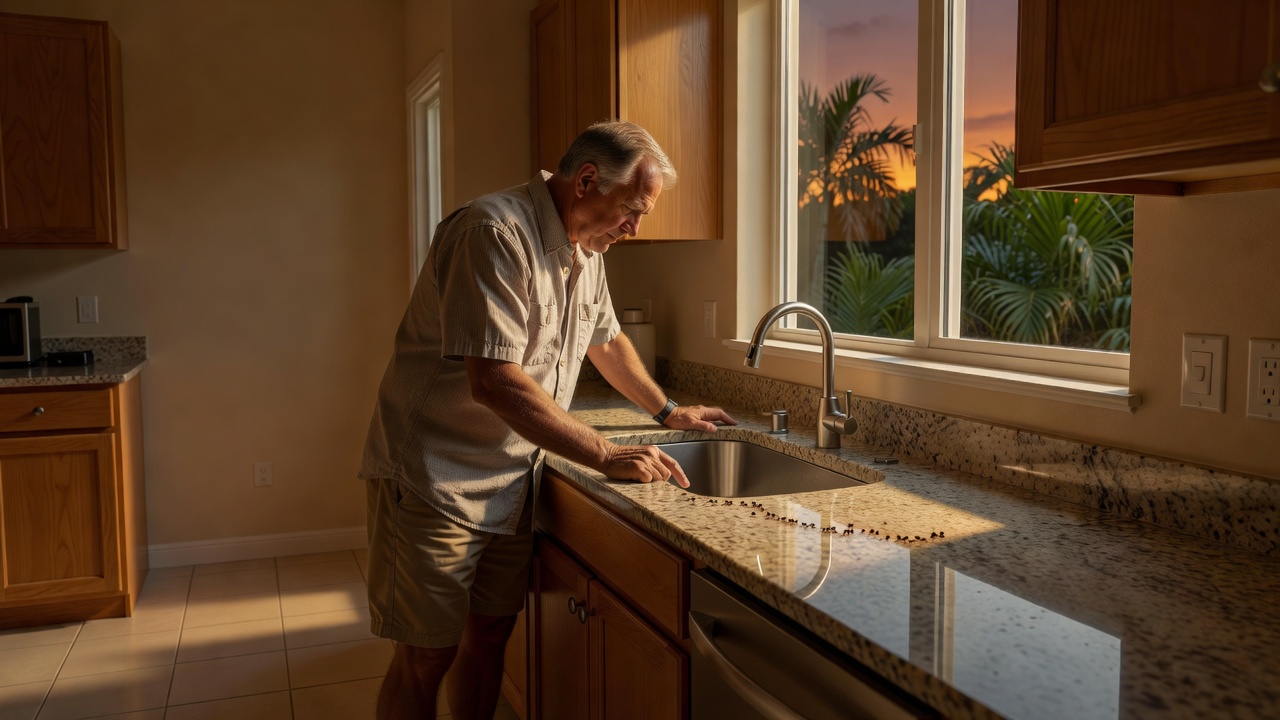
This guide is for Florida homeowners fighting roaches or ants inside the house. Maybe you see roaches in the kitchen at night. Maybe ant trails cross your counter each morning. You want the problem gone, and you want to know the cost first.
You are trying to decide two things. First, is this a job for a one-time visit or an ongoing plan? Second, what will you actually pay over a year, not just today?
HomePest Match is an independent guide. We are not a pest control company. We help you understand pricing and connect you with providers who serve your area. You always start the contact yourself.
Roaches and ants are the two most common indoor complaints in Florida. Our warm, wet climate keeps them active all year. That is why so many callers ask the same thing: what does treatment cost, and are there any current offers? Below, we close that gap step by step.
If you are ready to compare providers, you can request Florida pest-control quotes at any time.
What homeowners misunderstand about pricing
Here is the biggest surprise for callers: almost no provider gives a firm price over the phone before seeing details. Many people expect one flat number. That is not how honest pricing works.
Why the phone quote stays flexible
A fair price depends on facts the provider cannot know until they ask. Home size matters. Pest type matters. So does how bad the problem is and how easy your home is to access. A studio condo in Miami and a large home in Ocala will not cost the same.
Total cost is not one number
Most plans have two parts. There is an initial or startup visit, which costs more. Then there are recurring visits, which cost less each time. So the real question is not "what is the price?" It is "what is the startup cost plus the yearly total?"
About discounts and offers
Providers do run seasonal offers and new-customer discounts. These change often and vary by company. We do not publish specific promo prices, because they shift and differ by ZIP code. Always ask the provider what current offers apply to your plan. Get the answer in writing.
Signs your roach or ant problem needs a pro
A few bugs may not need a full plan. But some signs point to a real infestation. Knowing these helps you request the right service and avoid paying for the wrong one.
Roaches
- Night sightings: Roaches you see in daylight often mean a larger hidden population.
- Egg cases: Small brown capsules in cabinets or behind appliances signal breeding.
- Musty smell: A heavy roach problem can leave a stale odor.
- Droppings: Tiny black specks near the stove or sink are a warning.
Large roaches near drains are often American roaches, sometimes called "water bugs" in Florida. German roaches are smaller and breed fast indoors.
Ants
- Steady trails: Lines of ants to a food or water source point to a nearby nest.
- Kitchen and bath activity: Ants love moisture, so sinks and dishwashers draw them.
- Winged ants indoors: These can mean a mature colony, or even termites, so ask for an inspection.
For deeper help by pest, see our Florida cockroach guide and Florida ant guide.
What actually works — and when DIY fails
Store sprays and bait can knock down a few bugs. For a real infestation, they rarely fix the source. The nest or breeding site stays hidden, so the problem returns.
What professional treatment does
A pro treats the whole home, not just what you see. For roaches, that means gel baits, targeted sprays, and sealing entry points. For ants, it means finding the trail back to the colony and treating there. The EPA recommends this kind of integrated approach, which combines inspection, targeted products, and prevention.
Why ongoing plans matter in Florida
Florida's climate never gives pests a real winter break. One visit may clear the current bugs, but new ones move in fast. That is why many providers push quarterly or monthly plans. Recurring service keeps a protective barrier fresh around your home.
Plan types at a glance
- One-time visit: Highest single cost, no ongoing coverage. Good for a mild, isolated issue.
- Quarterly plan: Four visits a year. Popular for general roach and ant control.
- Monthly plan: Best for heavy infestations or high pest pressure.
To compare structures, read our service plans and pricing guide.
What to ask when you request quotes
Good questions protect your wallet. Ask these before you commit to any Florida provider.
Coverage and property size
- How does home size change my price?
- Does the plan cover the yard and garage, or just indoors?
Pests and plan details
- Are both roaches and ants included in one plan?
- How many visits per year, and how far apart?
Safety and licensing
- Are you licensed in Florida? Ask for the license number.
- What products do you use, and are they safe around kids and pets?
Written terms and timeline
- What is the startup cost, the per-visit cost, and the annual total?
- How long is the quote valid?
- Is there a guarantee or free re-treatment between visits?
Most Florida providers hold a quote for around 30 days and give a written breakdown. That breakdown should show per-visit cost, annual total, and any startup fees. Ask for this in writing before you sign anything. For a full walkthrough, see how to get a pest control quote in Florida.
Local notes for Florida homeowners
Where you live in Florida changes pest pressure and price. Providers weigh this into every quote.
Coastal and metro areas
Warm, humid coastal cities like Miami, Fort Myers, and Jacksonville see heavy roach and ant activity nearly year-round. Denser neighborhoods in Tampa and Orlando can mean pests spread easily between homes. See our city pages for Tampa and Orlando.
Interior and rural counties
Inland areas like Ocala, Polk County, and the Highlands region deal with different ant species and more outdoor nesting. Larger lots often need broader exterior treatment, which can raise the price.
Panhandle and northern regions
Homes near Pensacola or Tallahassee still face strong pest pressure, especially in spring and summer. Older homes with crawl spaces may need extra sealing work.
Water and moisture
Retention ponds, drainage ditches, and heavy rain feed pest populations statewide. Standing water near West Palm Beach or coastal Fort Myers can boost roach activity. Ask your provider how nearby water affects your treatment plan.
For a broad overview, read our Florida pest control guide.
Cost factors that shape your price
We do not publish set prices, because they change by company, season, and location. Instead, here are the real drivers that move your quote up or down.
The five main cost drivers
- Home size: More square footage means more area to treat.
- Pest type: German roaches often cost more than simple ant control, since they breed fast.
- Plan frequency: Monthly costs more per year than quarterly, but works faster on big problems.
- Severity: A heavy, long-running infestation needs more visits up front.
- Access: Hard-to-reach areas, like tight crawl spaces, add labor time.
Startup versus recurring
Expect the first visit to cost more than later visits. That startup fee covers the deep initial treatment. Recurring visits then maintain the barrier at a lower rate. Always ask for both numbers so you can plan your yearly budget.
Discounts to ask about
New-customer offers, bundled pest plans, and prepay discounts are common. They vary by provider and time of year, so always confirm current offers directly. For planning ranges, see our Florida cost planning guide.
Common questions
Why can't I get a flat pest control price over the phone?
Fair pricing depends on your home size, pest type, and how bad the problem is. Providers often confirm these details before quoting. This protects you from a wrong number that changes later.
How much does roach and ant treatment cost in Florida?
There is no single price, since it depends on your home and plan. Most plans have a higher startup visit and lower recurring visits. Ask each provider for the startup cost and the full annual total in writing.
Are there discounts or current offers I can use?
Yes, many providers run new-customer and seasonal offers. These change often and vary by ZIP code, so we do not publish set promo prices. Always ask the provider what offers apply to your plan.
Should I choose quarterly or monthly service?
Quarterly plans suit most general roach and ant problems. Monthly plans work better for heavy infestations or high pest pressure. Florida's warm climate keeps pests active year-round, so ongoing service usually beats a single visit.
How long is a pest control quote valid?
Many Florida providers hold a quote for about 30 days. Ask for a written breakdown showing per-visit cost, annual total, and any startup fees. Confirm the validity period before you commit.
Does HomePest Match provide the pest control service?
No. HomePest Match is an independent guide, not a pest company. We help you understand pricing and connect you with providers. You always start the contact yourself.
Related: request Florida pest-control quotes · Florida cost planning guide · how to get a pest control quote in Florida · service plans and pricing guide · Florida pest control guide