Roach Treatment Process and Guarantee: What Homeowners Should Expect
Before you book roach treatment, you deserve a clear picture. Most roach programs use targeted gel baits and growth regulators that let you stay home, and they run over two or three visits spaced 2 to 4 weeks apart. A written guarantee covers reservice between those visits if roaches return.
Calls may be recorded for quality and matching purposes.
Who this guide is for and what you're deciding
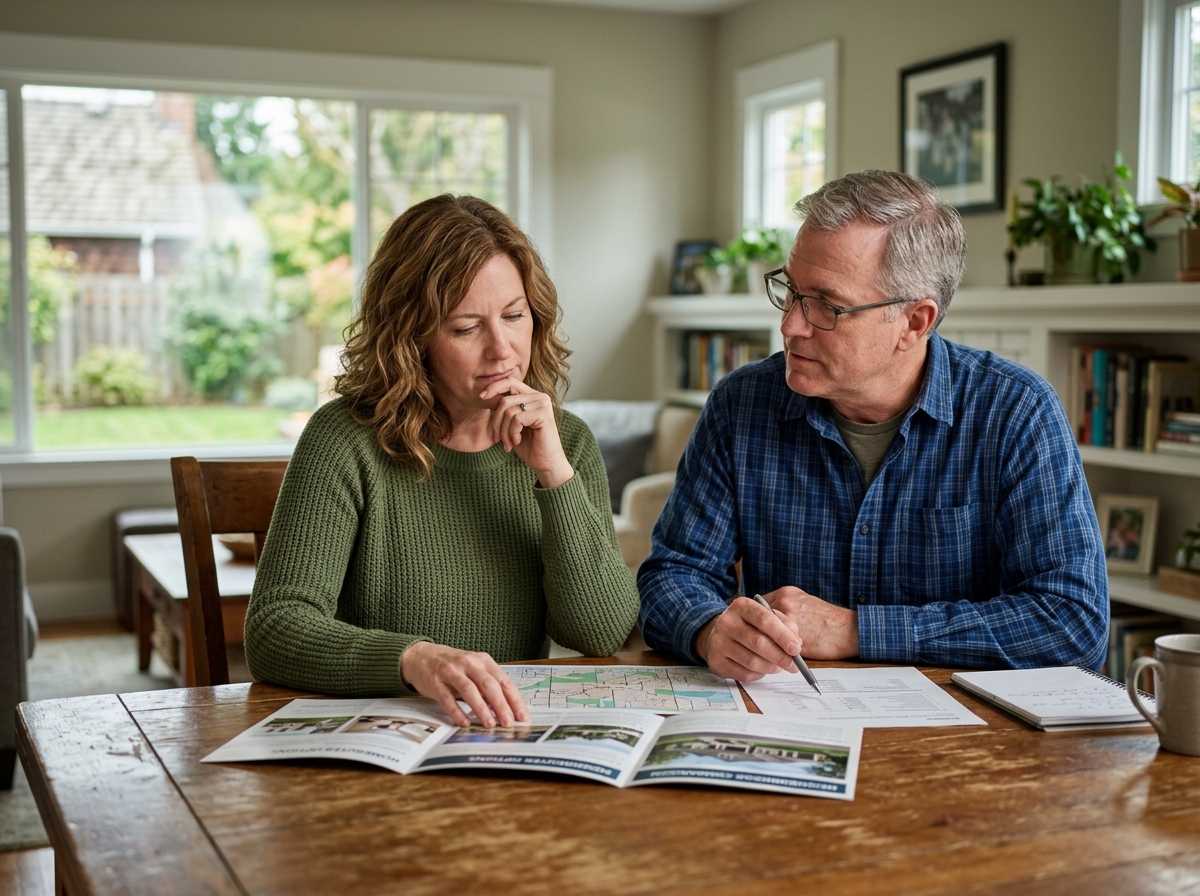
You have watched roaches cross the living room for a couple of months. You want them gone, and you want to know what you are agreeing to before you pick up the phone. This guide is for renters and homeowners at exactly that point.
HomePest Match is an independent information and matching service, not a pest-control company. We do not treat homes. We explain how the industry works so you can compare providers with confidence and start the conversation on your terms.
Before you book, you are really deciding three things:
- Is the treatment safe for people, pets, and food areas in an occupied home?
- How many visits will it take, and over how many weeks?
- What does the guarantee cover if roaches come back after the first visit?
These are the exact questions callers ask most, and they are the ones many booking pages skip. Renters have an added step: your lease may require the landlord or property manager to approve or arrange pest service. Check your lease before you schedule, because that shapes who pays and who books.
The species matters too. The small tan roach with two dark stripes behind its head is the German cockroach (Blattella germanica), the kind that breeds indoors and thrives in kitchens. Larger reddish-brown roaches that wander in from outside are usually American or smoky-brown roaches. German roaches need a bait-driven, multi-visit plan. Occasional invaders often need less. Knowing which you have helps you judge whether a provider's quote fits your problem. The rest of this guide walks through each decision in plain terms.
What homeowners misunderstand about roach treatment
The biggest surprise for most callers is this: one visit rarely ends a German roach infestation, and modern treatment is not the fog-the-house chemical event people picture. Understanding why changes what you expect and what you ask for.
Why one spray won't finish the job
German roaches reproduce fast. A single female carries an egg case, called an ootheca, holding roughly 30 to 40 eggs. She glues it in a hidden crack near warmth and food. No surface spray reliably kills eggs inside that case. So even a strong first visit leaves a hatching wave behind. That is why reputable providers plan follow-up visits timed to catch newly hatched nymphs before they mature and breed. This is a mechanism, not a sales tactic.
What the products actually do
Most current programs rely on two tools that work slowly and precisely:
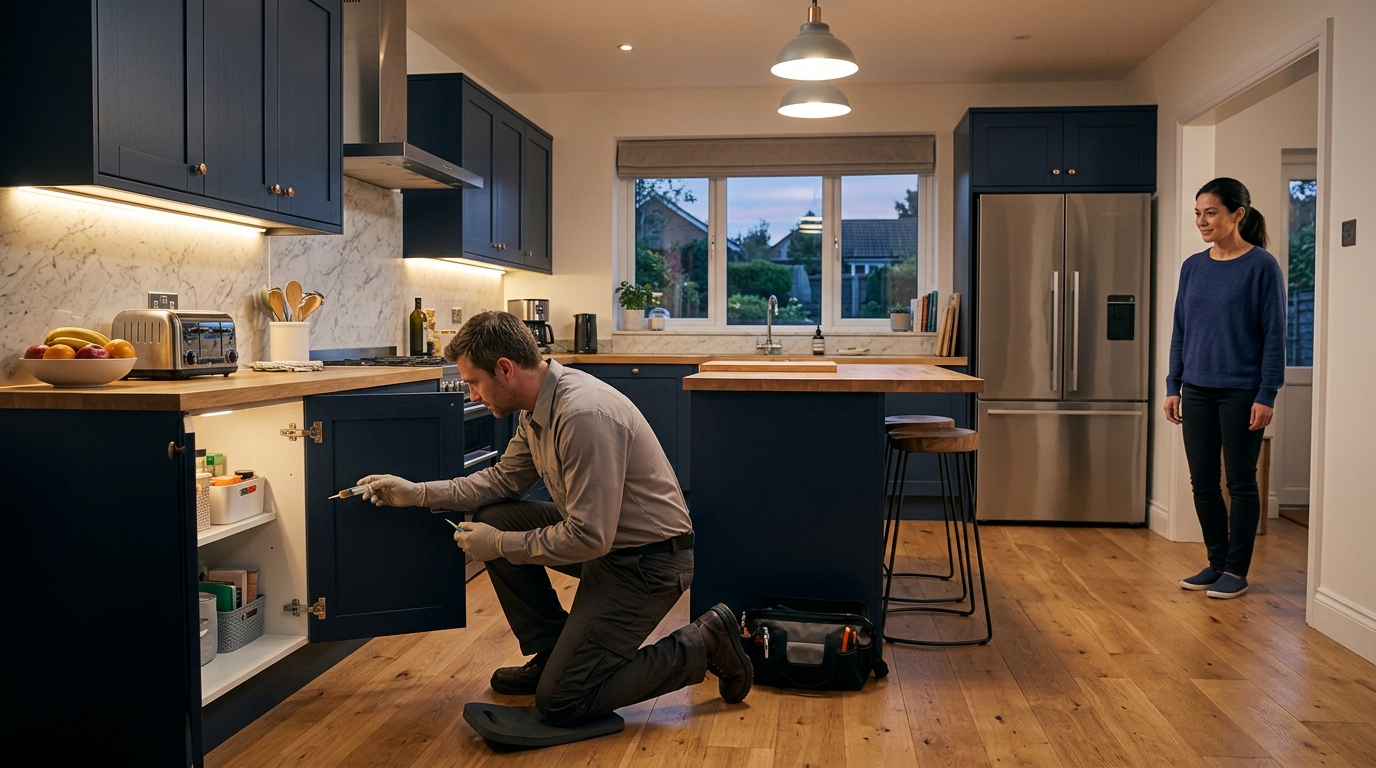
- Gel bait: a small dab of insecticide mixed with food attractant, placed inside cabinet corners and hinges. Roaches eat it, return to harborage, and die. Others feed on the residue and droppings, spreading the effect through the colony.
- Insect growth regulators (IGRs): compounds that disrupt development. Many are chitin-synthesis inhibitors, meaning they block the insect's ability to harden its new exoskeleton during a molt. Nymphs cannot mature into breeding adults, so the population collapses over several weeks.
Because these work through feeding and molting cycles, results build over 2 to 6 weeks rather than overnight. Seeing a few roaches days after treatment is normal and often a sign the bait is drawing them out. Expecting instant silence sets you up to think the service failed when it is actually working.
Is roach treatment safe in an occupied home?
Safety is the concern that stops many renters from booking. The honest answer: modern targeted programs are designed for occupied homes, but details matter, and you should ask about them directly.
How targeted treatment lowers exposure
Gel baits and IGRs are placed in cracks, voids, and cabinet interiors, not sprayed across open living space. That keeps product away from countertops, floors where children play, and pet bowls. The U.S. Environmental Protection Agency registers these products and requires the technician to follow the label, which is the legal instruction for use. Ask your provider to name the products and share the label or safety data sheet if you want to read it.
Practical steps to protect your household
- Tell the provider about children under 5, pregnant household members, pets, and fish tanks before the visit. Aquariums usually need to be covered and pumps turned off.
- Ask whether any treated surface needs a ventilation or re-entry window. Baits typically do not; if a liquid residual is used along baseboards, a short dry time may apply.
- Do not wipe or wash cabinet interiors after treatment. Cleaning removes bait and residual and undoes the work.
Two more tips protect the results. Avoid setting off store-bought foggers or bug bombs before or during professional treatment. They scatter roaches deeper into walls and can make targeted baiting less effective. And if you use your own sprays near bait placements, you may create bait aversion, where roaches avoid contaminated food sources. Let the provider's plan work as designed.
If anyone in your home has asthma or a chemical sensitivity, say so when you call. A good provider will adjust product choice and placement accordingly.
Signs you have an active infestation worth treating
Providers quote more accurately when you describe the evidence, not just the fear. Learn to read the signs so you can report severity clearly and judge how urgent your problem is.
The evidence that matters
- Daytime sightings: German roaches are nocturnal. Seeing them in daylight usually signals a large population competing for space and food. This is a strong sign you need a professional plan.
- Droppings: tiny black specks like ground pepper along cabinet edges, drawer runners, and behind the stove.
- Egg cases: small brown, purse-shaped oothecae glued in hinges, corners, and warm crevices.
- Odor: a heavy infestation can leave a musty, oily smell.
- Smear marks: dark streaks where roaches travel repeatedly along surfaces.
Reading the count
A rough gauge helps you set expectations. Spotting the occasional roach at night, and fewer than a handful per week, may respond to a shorter plan. Regular daytime activity, or seeing roaches in more than one room, points to an established colony that needs several visits. Your living-room sightings over two months suggest the population has spread from a kitchen or bathroom source, so the technician will inspect moisture-prone areas nearby.
Roaches follow warmth, water, and food. That is why they cluster near the refrigerator motor, under the sink, and behind the dishwasher. When you call, mention which rooms show activity and whether you see them by day. That single detail helps a provider size the job and quote the right number of visits.
What actually works, and when DIY falls short
Store shelves are full of roach products, and some help. Knowing where they stop saves money and frustration.
What professional programs do
A structured plan combines several tactics, an approach called Integrated Pest Management (IPM), which university extension programs like those at land-grant colleges have long recommended:
- Inspection to locate harborage and moisture sources.
- Gel bait placement in dozens of small dabs near cracks, roughly one dab per stretch of cabinet edge rather than a few large blobs.
- IGR application to break the breeding cycle.
- Follow-up visits at 2 to 4 week intervals to hit hatching nymphs.
- Exclusion and sanitation advice so roaches lose entry points and food.
Why DIY often stalls
Do-it-yourself efforts fail for predictable reasons:
- Foggers push roaches into wall voids instead of killing the colony at its source.
- Repeated over-the-counter spraying can trigger bait aversion and even chemical resistance in German roach populations.
- Homeowners rarely find every harborage, so a hidden ootheca reseeds the problem.
- DIY stops after visible roaches vanish, missing the second hatch.
DIY is reasonable for a stray outdoor roach or two. For an ongoing indoor population that has lasted months, professional baiting plus growth regulators is the reliable path. Pair either approach with your own sanitation: fix leaks, store food in sealed containers, empty the trash nightly, and vacuum crumbs. You control the conditions; the provider controls the products. For a deeper walkthrough of pricing and process by pest type, see our pricing and timeline guide.
What to ask when you request a quote and book
Callers often reach a phone menu, get transferred, and hang up unsure what they agreed to. Prepare a short list so your booking call stays in control. Remember that calls to providers may be recorded, and you always initiate contact.
Questions that clarify the plan
- "Is the roach I described a German roach, and does that change the plan?"
- "How many visits does your roach program include, and how far apart?"
- "What products do you use, and are they safe with my pets and kids at home?"
- "Do I need to empty cabinets or prep before you arrive?"
- "Is there a re-entry or dry time after treatment?"
Questions about the guarantee
- "Does the price include follow-up visits, or is each visit billed separately?"
- "If roaches return between visits, do you reservice at no extra charge?"
- "How long does the guarantee last, and does it require a recurring plan?"
- "What voids the guarantee?" Common answers include declining follow-ups, poor sanitation, or DIY spraying that interferes.
Most roach guarantees work as a reservice promise: if activity persists between scheduled visits, the provider returns and re-treats covered areas without an added visit fee, as long as you keep the plan. Guarantees are not a permanent forever-free shield, and they usually assume you follow the prep and sanitation guidance. Get the terms in writing.
If you rent, confirm who books and pays before you commit. Our guide on what to expect when you report a pest problem explains how the intake conversation flows.
Cost factors that shape your roach quote
Prices vary by market and by the size of your problem, so we cite factors rather than fixed numbers. Understanding the drivers helps you read a quote fairly and spot an unrealistic one.
What raises or lowers the price
- Infestation size: a light, single-room problem costs less than a heavy population spread across kitchen, bathroom, and living room.
- Home size and layout: more square footage and more cabinets mean more bait placements and inspection time.
- Number of visits: German roach control almost always needs an initial visit plus one or two follow-ups. Expect the quote to reflect that cadence.
- Plan type: a one-time cleanup usually costs more per visit than an ongoing quarterly or monthly plan, which spreads cost and includes reservice.
- Access and prep: cluttered cabinets or blocked appliances add labor.
- Structure type: shared walls in apartments can let roaches move between units, sometimes requiring coordination with neighbors or management.
How to compare offers
Ask each provider to break the quote into the initial visit, the follow-ups, and any recurring plan. A low headline price that excludes follow-ups may cost more once the second hatch appears. A slightly higher plan that bundles reservice and a guarantee often ends the problem faster and cheaper overall.
Early, consistent action beats delay. Treating a two-month infestation now, with the full follow-up sequence, avoids the larger population and higher cost of a colony left to spread. For general planning, our service plans and pricing guide shows how visit frequency and plan type interact. When you are ready to compare local providers, gather your notes on rooms affected, daytime sightings, and pets, then start the conversation.
Common questions
Can I stay home during roach treatment?
Yes, in most cases. Gel baits and growth regulators are placed in cracks and cabinets, not sprayed across open rooms. If a liquid residual is used, ask about a short dry time. Tell the provider about pets, aquariums, and young children so they adjust placement.
How many visits does roach treatment take?
German roach infestations usually need an initial visit plus one or two follow-ups, spaced 2 to 4 weeks apart. The follow-ups target newly hatched nymphs that survive inside egg cases. One visit alone rarely ends an established indoor population.
Why do I still see roaches after treatment?
Seeing roaches for days or weeks afterward is normal. Bait draws them out before it works, and eggs continue hatching. Numbers should drop steadily over 2 to 6 weeks. If activity stays high, use your guarantee to request a reservice.
What does a roach treatment guarantee cover?
Most guarantees promise free reservice if roaches persist between scheduled visits, as long as you keep the plan and follow prep and sanitation advice. They are not permanent forever coverage. Ask what voids the guarantee, and get the terms in writing before booking.
I rent. Who books and pays for roach treatment?
Check your lease first. Many leases require the landlord or property manager to approve or arrange pest control, and they may cover the cost. Confirm this before scheduling so you know who initiates the service and who pays.
Are foggers or bug bombs a good idea before the pro comes?
No. Foggers scatter roaches deeper into walls and can trigger bait aversion, making professional baiting less effective. Skip DIY sprays near where a technician will place bait. Focus your effort on sanitation instead: fix leaks, seal food, and take out trash nightly.
Related: pricing and timeline guide · what to expect when you report a pest problem · service plans and pricing guide